

News in India in 2025: A Tech-Driven Transformation

India’s digital landscape is evolving at an unprecedented pace, and nowhere is this more evident than in the realm of news consumption. As we look towards 2025, technology isn’t just a facilitator; it’s the very bedrock upon which the future of Indian news is being built. From hyper-personalized feeds to AI-powered journalism, the way Indian readers will access, interact with, and even create news is set for a dramatic, tech-driven transformation. Get ready to dive into a future where information is faster, more targeted, and yet, more complex than ever before.
The Mobile-First Revolution Continues its Ascent

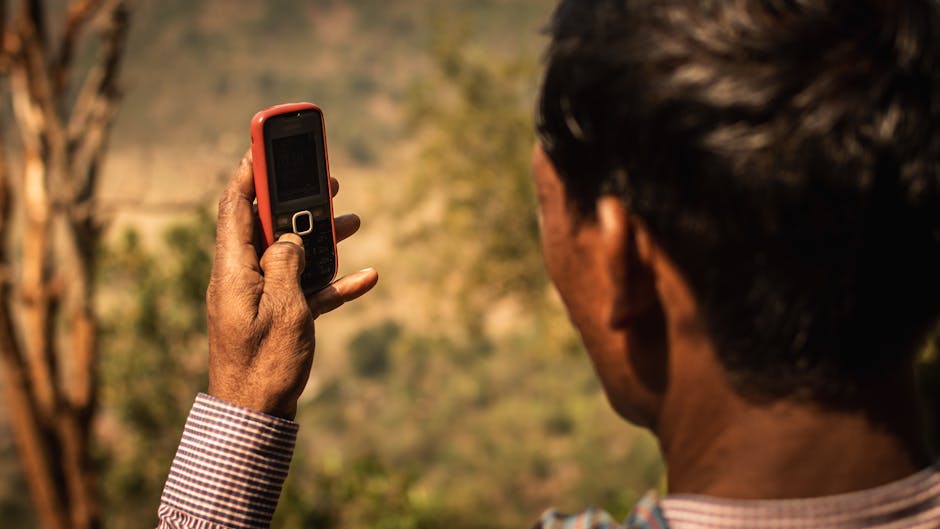
By 2025, the smartphone will solidify its position as the undisputed king of news consumption in India. With increasing smartphone penetration and the rollout of 5G across more regions, mobile data will become even cheaper and faster, cementing mobile as the primary news portal for hundreds of millions. Apps will continue to dominate, offering intuitive interfaces for quick consumption. Expect a surge in short-form video news content – think bite-sized explainer videos, Instagram Reels-style news updates, and real-time live streams from events. Push notifications will remain a critical tool for breaking news, while voice-activated news updates via smart speakers and personal assistants will gain significant traction, especially in vernacular languages, catering to a diverse audience that values convenience and accessibility.
AI and Automation: The New Newsroom Colleagues
Artificial Intelligence (AI) will cease to be a futuristic concept and become an integral part of Indian newsrooms by 2025. AI-powered tools will automate routine tasks like generating basic sports scores, financial reports, or weather updates, freeing up human journalists for in-depth investigative work and analytical pieces. Natural Language Processing (NLP) will enable instant translation of content across India’s myriad languages, broadening reach and accessibility. AI will also be pivotal in data journalism, sifting through vast datasets to identify trends, uncover stories, and create compelling visualizations. Furthermore, AI-driven personalization engines will curate news feeds, ensuring that what you see is most relevant to your interests, shaping individual news experiences like never before.
The Rise of Hyperlocal and Vernacular Content
India’s linguistic and geographical diversity means a one-size-fits-all approach to news is obsolete. By 2025, technology will empower an explosion of hyperlocal and vernacular news. AI-driven translation services will break down language barriers, allowing news from a small town in Gujarat to be understood in Kerala. Dedicated apps and platforms will cater specifically to regional dialects and local issues – from municipal elections and infrastructure projects to cultural events and community achievements – making news more relevant and accessible than ever for every Indian citizen. This localized approach, fueled by community reporters and citizen journalists using simple mobile tools, will foster greater civic engagement and local accountability.
Personalization and the ‘My News’ Experience
The days of generic news consumption are fast fading. By 2025, personalized news feeds will be the norm. Algorithms will learn your preferences, reading habits, and even emotional responses to content, curating a unique news experience tailored just for you. This means fewer irrelevant stories and more engagement with topics that matter to you, be it Bollywood gossip, political analysis, or startup trends. However, this level of personalization also brings the challenge of ‘filter bubbles’ and ‘echo chambers,’ where users are primarily exposed to information that confirms their existing beliefs. Media organizations will grapple with the ethical responsibility of balancing personalization with exposing readers to diverse perspectives and critical insights.
Combating Misinformation: A Digital Battleground
The fight against misinformation, often spread like wildfire through social media and messaging apps like WhatsApp, will intensify. By 2025, expect sophisticated AI-powered tools and digital forensic techniques to play a crucial role in identifying deepfakes and manipulated content. Fact-checking initiatives, both independent and publisher-led, will become even more vital, leveraging blockchain for source verification and community reporting platforms to flag dubious content. However, the ultimate weapon remains digital literacy, empowering Indian readers to critically evaluate what they consume, question sources, and identify red flags in a landscape saturated with information.
The Creator Economy and New News Models
Beyond traditional media houses, the creator economy will significantly influence the news landscape. Independent journalists, citizen reporters, podcasters, and YouTube content creators will emerge as significant news sources, building direct relationships with their audiences. Platforms facilitating paid newsletters, exclusive content, and crowd-funded journalism will thrive, offering alternative revenue models to traditional advertising. This shift empowers individual voices and niche content, providing diverse perspectives and covering topics that might be overlooked by mainstream media. For Indian readers, this means a broader spectrum of news, often delivered with a personal touch and deeper engagement.
Conclusion
The year 2025 in Indian news will be defined by an intricate dance between technology and journalism. While AI and mobile platforms promise unprecedented access, personalization, and efficiency, they also demand a more discerning and digitally literate audience. The future holds a hyper-personalized, hyperlocal, and highly interactive news experience, but also one where the responsibility to seek truth and verify information rests more heavily on the individual. As India continues its digital journey, the news landscape will not just inform its citizens; it will reflect the very dynamism and challenges of a nation embracing the future at full throttle.
About the Author