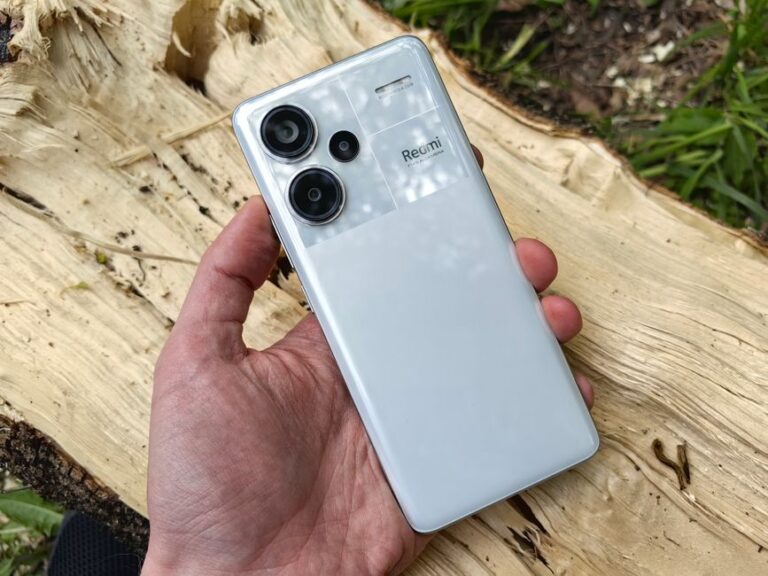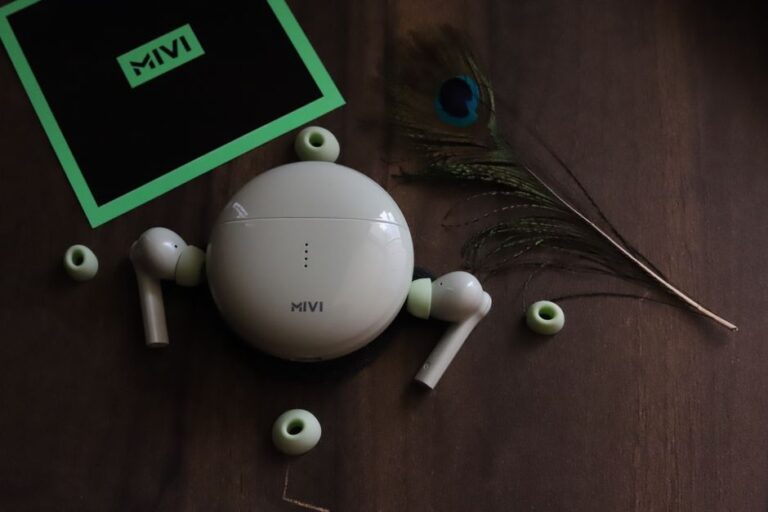

The digital pulse of India beats faster with each passing year, and by 2025, the landscape of consumer trust and purchasing decisions will be more intertwined with online “Reviews” than ever before. From the latest smartphone to a new home appliance, a restaurant choice, or even a local service, the collective voice of fellow consumers – encapsulated in star ratings and detailed feedback – has become the undisputed kingmaker. For businesses and buyers alike, understanding this evolving ecosystem of online reviews in India is not just an advantage, it’s a necessity. Let’s delve into what this critical element means for the vibrant Indian market in 2025.
The Evolving Indian Consumer: Why Reviews Matter More Than Ever

India’s digital transformation has been monumental. With soaring smartphone penetration, affordable data, and increasing digital literacy across urban and rural segments, the Indian consumer of 2025 is savvier and more connected. The traditional “word-of-mouth” has largely migrated online, morphing into a powerful digital referral system. Before making a purchase, whether a high-value gadget or a daily essential, the average Indian is now hardwired to check reviews. This isn’t just about price; it’s about validating quality, reliability, and the customer experience through the unfiltered lens of other users. Trust, a paramount factor in the diverse Indian market, is increasingly built upon the foundation of credible online feedback, making reviews indispensable for building brand reputation and driving sales.
Key Platforms Dominating the Review Space in 2025

By 2025, the ecosystem of review platforms in India will be both concentrated and diverse. E-commerce giants like Amazon and Flipkart will continue to be primary battlegrounds for product reviews, with their verified purchase tags offering a layer of assurance. For food and travel, Zomato, Swiggy, MakeMyTrip, and Google Maps reviews will dictate dining choices and travel itineraries, often influencing booking decisions in real-time. The services sector, from home repairs via Urban Company to local businesses found on Justdial and Google My Business, will see customer feedback directly impacting bookings and inquiries. Furthermore, dedicated tech review websites, forums, and YouTube influencers will play a crucial role in shaping opinions for electronics and gadgets. The rise of local language content will also mean reviews in Hindi, Tamil, Bengali, and other regional languages gain significant traction, making platforms that support multi-lingual feedback vital.
AI and Personalization: The Future of Review Consumption
Navigating thousands of reviews can be overwhelming. By 2025, Artificial Intelligence (AI) will significantly enhance how Indian consumers interact with reviews. AI-powered algorithms will not only help sift through vast datasets but also offer personalized review summaries, highlighting aspects most relevant to an individual’s past preferences and search history. Imagine an AI telling you, “Based on your previous purchases, users similar to you found the battery life exceptional for this model.” Sentiment analysis will provide quick, digestible insights into product perception, while advanced natural language processing (NLP) will identify common complaints or praises across multiple reviews. This personalization will make the review-reading experience far more efficient and tailored, helping consumers make quicker, more informed decisions amidst the information deluge.
The Credibility Conundrum: Battling Fake Reviews
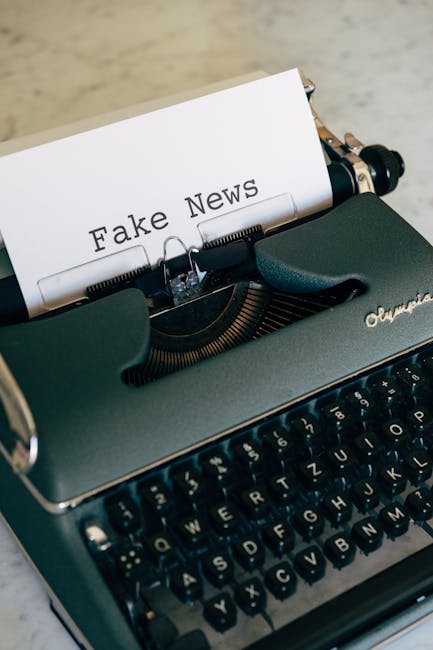
With the growing influence of reviews comes the persistent challenge of authenticity. By 2025, the battle against fake reviews in India will intensify. Platforms will deploy more sophisticated AI and machine learning models to detect suspicious patterns, bot activity, and fraudulent accounts. Government regulations, building on existing guidelines like the Consumer Protection (E-commerce) Rules and Bureau of Indian Standards (BIS) norms for online reviews, will likely provide stricter frameworks for platforms and businesses. Verified purchases will remain a crucial indicator of genuine feedback. Consumers too will become more adept at spotting red flags – overly enthusiastic or consistently negative reviews, generic language, or reviews from new accounts. The collective effort of platforms, regulators, and an educated consumer base will be key to maintaining the integrity of the review ecosystem.
For Businesses: Harnessing the Review Powerhouse
For Indian businesses, embracing and actively managing their online reputation through reviews will be non-negotiable in 2025. Proactive engagement – responding promptly and courteously to both positive and negative feedback – demonstrates a commitment to customer satisfaction. Businesses that encourage authentic reviews through transparent processes and incentivize honest feedback (without coercion) will build stronger trust. Beyond reputation management, reviews offer invaluable, free market research. Analyzing common themes in customer feedback can identify product flaws, highlight popular features, and guide future service improvements. Integrating review analysis into product development and marketing strategies will become a cornerstone for competitive advantage, transforming customer voices into actionable business intelligence.
Conclusion
As India marches towards 2025, the influence of online reviews will only solidify, becoming an even more integral part of the nation’s digital commerce and service landscape. They are the digital ‘panchayat’ where reputations are built and broken, and consumer confidence is forged. For the Indian consumer, reviews offer a beacon of trust in a crowded marketplace. For businesses, they represent a goldmine of feedback and a powerful tool for growth and customer connection. Navigating this dynamic terrain requires awareness, adaptation, and a genuine commitment to transparency. The power of the pixel, in the form of a star rating or a thoughtful comment, will undoubtedly continue to shape buying decisions and redefine the meaning of trust across India.
About the Author