

India stands at the precipice of a technological revolution, with Artificial Intelligence (AI) serving as the undeniable catalyst. As we peer into 2025, the nation’s vibrant tech landscape is poised to transform, driven by indigenous innovation and a burgeoning appetite for intelligent solutions. From bustling urban centers to remote villages, AI is not just a buzzword; it’s becoming an integral force shaping everyday life, economic growth, and global influence. Prepare to witness “Bharat AI” unfurl its true potential.
The “Bharat AI” Leap: Bridging the Digital Divide

By 2025, the concept of “Bharat AI” will have matured significantly. This isn’t just about implementing global AI models; it’s about crafting AI solutions specifically tailored to India’s unique challenges and diverse linguistic landscape. Expect to see advanced Natural Language Processing (NLP) models capable of understanding and generating content in multiple Indian languages, breaking down communication barriers and empowering millions. Voice AI, in particular, will become ubiquitous, enabling seamless interaction with technology for those less familiar with keyboards or English. This localized approach is crucial for bringing the benefits of AI to the remotest corners of the country, driving digital inclusion and fostering true innovation in India.
Sectoral Revolution: Where AI is Making Waves
AI’s impact across India’s key sectors by 2025 will be nothing short of transformative:
Healthcare Innovation
In healthcare, AI will enhance diagnostics, enabling earlier detection of diseases like cancer and retinal conditions, especially in underserved areas via telemedicine. Personalized medicine, driven by AI analyzing genetic data and patient histories, will become more accessible. AI-powered tools will assist doctors in remote consultations, predict outbreak patterns, and optimize hospital resource allocation, making quality healthcare more efficient and equitable across the Indian subcontinent.
FinTech and Economic Empowerment
The financial sector will leverage AI for sophisticated fraud detection, personalized banking services, and credit scoring for the unbanked. AI will analyze vast datasets to identify spending patterns, offer tailored investment advice, and streamline regulatory compliance. The growth of AI-powered chatbots and virtual assistants will further democratize financial services, making them accessible to a wider population, thereby fueling FinTech innovation in India.
Smart Agriculture for a Greener Future
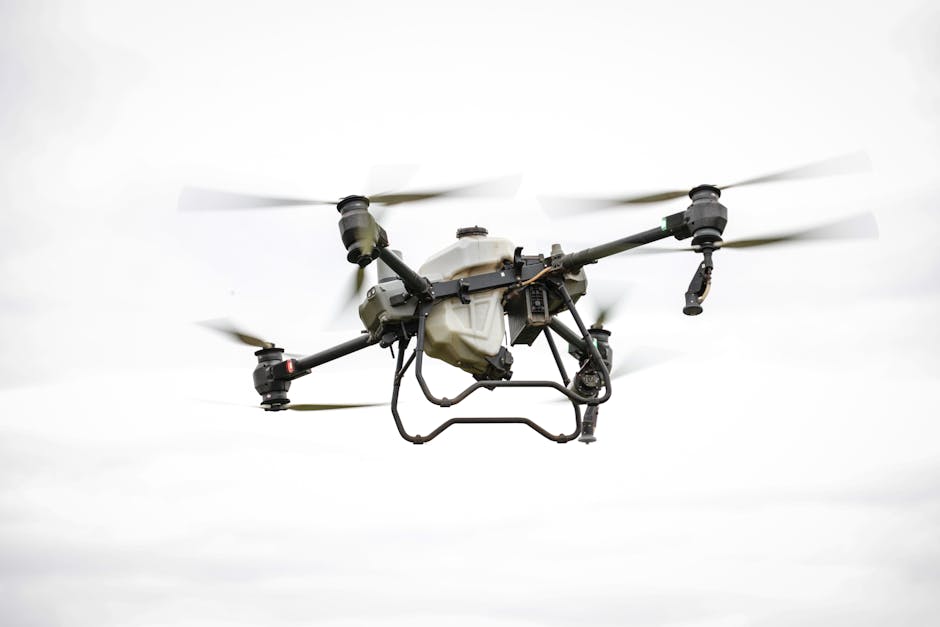
For India’s agrarian economy, AI will be a game-changer. Predictive analytics will inform farmers about optimal sowing times, irrigation needs, and potential pest outbreaks, drastically improving crop yields. Drones equipped with AI will monitor crop health, while intelligent sensors will manage water usage more efficiently. This AI-powered agricultural revolution will not only boost farmer incomes but also contribute to food security and sustainable practices.
Education and Skill Development
AI will personalize learning experiences, adapting content and pace to individual student needs. Intelligent tutoring systems will provide immediate feedback, while AI will help educators identify learning gaps and tailor curricula. Furthermore, AI will be crucial in upskilling and reskilling the workforce for the jobs of tomorrow, ensuring India’s talent remains globally competitive in the evolving AI landscape.
Powering the Economy: AI’s Impact on GDP and Jobs

By 2025, AI’s contribution to India’s GDP will be substantial, driven by increased productivity, new service offerings, and the creation of entirely new industries. While concerns about job displacement persist, the reality is a shift in job roles. AI will create millions of new opportunities in areas like AI development, data science, ethical AI oversight, and AI-powered service delivery. India’s focus will be on nurturing this new workforce through robust skilling initiatives, ensuring its demographic dividend becomes an AI advantage. The “Make in India” and “Digital India” initiatives will increasingly integrate AI as a core component, fostering self-reliance and global leadership in AI innovation.
Incubating Innovation: India’s Startup Ecosystem and Global Collaboration
India’s startup ecosystem, particularly in hubs like Bengaluru, Hyderabad, and Delhi-NCR, will continue to be a fertile ground for AI innovation. Government initiatives, like NITI Aayog’s “National Strategy for Artificial Intelligence” and the Ministry of Electronics and Information Technology (MeitY)’s various programs, will provide critical support, funding, and regulatory clarity. We will see more deep-tech AI startups emerging, tackling complex problems with cutting-edge solutions. Furthermore, global partnerships and collaborations will accelerate research and development, positioning India as a key player in the international AI arena.
Ethical AI and the Road Ahead
As AI becomes more pervasive, the focus on ethical AI development and robust regulatory frameworks will intensify. India, with its diverse population, understands the importance of fairness, transparency, and accountability in AI systems. Discussions around data privacy, bias in algorithms, and the responsible use of AI will lead to the refinement of policies, building public trust and ensuring that AI benefits all sections of society without exacerbating existing inequalities. The Data Protection and Privacy Bill (DPDP Act) will lay a stronger foundation for responsible data handling, a critical component for ethical AI development.
Conclusion
The year 2025 will mark a significant milestone in India’s AI journey. The synergy between a thriving startup culture, proactive government support, and a vast talent pool is setting the stage for India to not just adopt but also to lead in AI innovation. From revolutionizing sectors to empowering citizens and driving economic growth, AI is poised to redefine India’s future. The journey ahead is complex, but with a clear vision and collective effort, India is well on its way to becoming a global AI powerhouse, showcasing how technology can be a force for inclusive progress and unprecedented transformation.
About the Author