Last Updated: 2026-03-28
Welcome to BudgetTech India! In the ever-evolving landscape of Indian smartphones, the battle for the budget segment is fiercer than ever. For millions of Indian consumers, choosing a new phone isn’t just about specs; it’s about finding the perfect balance of value, reliability, and features that cater to their daily needs. As we step into 2026, two titans continue to dominate this crucial segment: Samsung and Redmi. If you’re currently wrestling with the decision of which brand offers the best bang for your buck, you’re in the right place. This comprehensive guide will meticulously compare Samsung vs Redmi budget phones India, helping you navigate the options and make an informed choice that truly elevates your mobile experience.
The Indian smartphone market is unique, characterized by its price sensitivity, demand for robust features, and a rapidly expanding digital user base. Both Samsung, with its legacy of trust and innovation, and Redmi (from Xiaomi), with its aggressive pricing and feature-packed devices, have carved out significant niches. But which one truly delivers the superior budget smartphone experience in 2026? Let’s dive deep into their offerings, dissect their strategies, and evaluate their latest budget models to determine the victor in this perennial showdown.
Quick Summary: Samsung vs Redmi Budget Phones in India (2026)
Top Picks: Samsung vs Redmi budget phones India
Samsung Galaxy F15 5G
- Super AMOLED Display
- 6000mAh Battery
- 4 Gen OS Updates
- MediaTek Dimensity 6100+
- 5G Connectivity
₹11,999
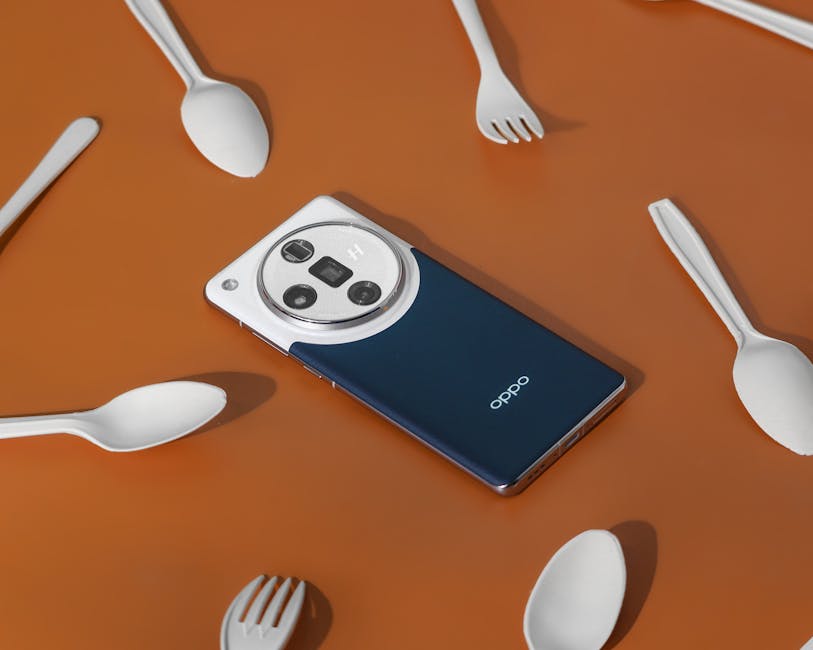
Redmi 13C 5G
- MediaTek Dimensity 6100+
- 90Hz Display
- 50MP AI Camera
- 5000mAh Battery
- 5G Connectivity
₹10,499
POCO M6 Pro 5G
- Snapdragon 4 Gen 2 Processor
- 90Hz FHD+ Display
- 50MP AI Camera
- 5000mAh Battery
- 5G Connectivity
₹10,999

- Samsung’s Strengths: Often boasts superior display quality (AMOLED), longer software update commitments, and a more refined, ad-free software experience (One UI). Their budget phones in 2026 offer enhanced reliability and a strong after-sales service network across India.
- Redmi’s Strengths: Continues its legacy of offering aggressive specifications for the price, including faster charging speeds, higher refresh rate displays, and often more powerful processors in the same price bracket. Ideal for users prioritizing raw performance and feature density.
- User Experience: Samsung’s One UI provides a clean, user-friendly interface with less bloatware, appealing to those who prefer simplicity and long-term stability. Redmi’s HyperOS (successor to MIUI) is highly customizable and feature-rich but can sometimes feel heavier with pre-installed apps and occasional ads.
- Camera Performance: While both brands have made strides, Samsung typically offers more consistent and natural-looking camera output, especially with improved low-light performance due to better software algorithms and OIS inclusion in some budget models. Redmi counters with higher megapixel counts, though processing can sometimes be inconsistent.
- Value Proposition: Redmi often wins on pure hardware-to-price ratio, making it attractive for spec-conscious buyers. Samsung justifies its slightly higher price with brand trust, better software longevity, and a premium feel, even in its budget offerings.
The Budget Battlefield: Understanding Samsung and Redmi’s Strategy in India
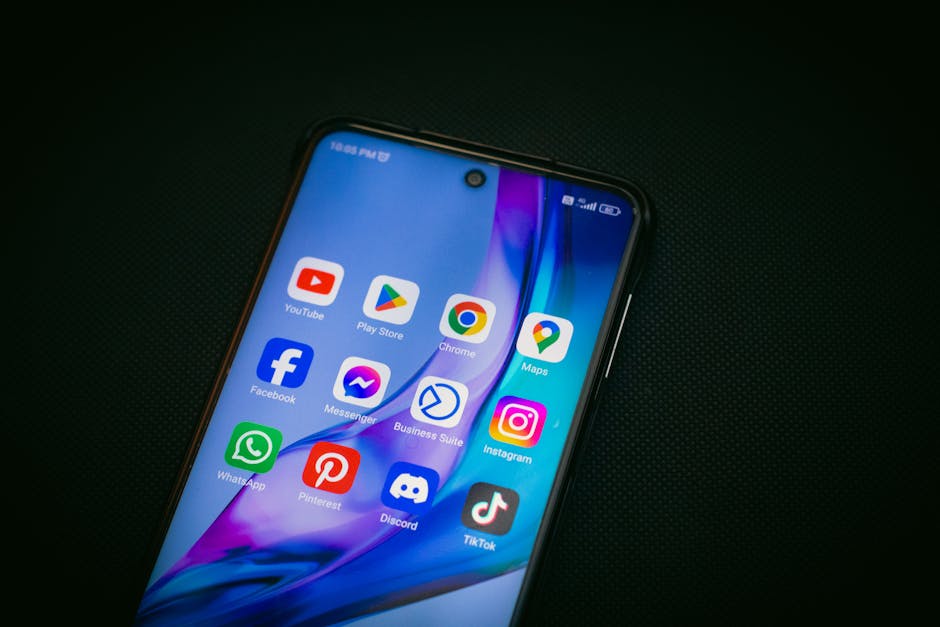
The Indian budget smartphone segment, typically ranging from Rs 10,000 to Rs 25,000, is a high-volume, high-stakes arena. By 2026, both Samsung and Redmi have fine-tuned their strategies to capture this market. Samsung, leveraging its global brand recognition and extensive service network, focuses on delivering a well-rounded experience. Their Galaxy A-series and M-series budget phones emphasize display quality, software longevity, and brand trust. They understand that for many Indian consumers, reliability and a smooth, consistent user experience often outweigh raw, bleeding-edge specs.
Redmi, on the other hand, operates with an “aggressive pricing, maximum features” philosophy. Part of the Xiaomi ecosystem, Redmi and Redmi Note series phones are designed to disrupt the market by offering specifications that often punch above their weight class. This includes faster processors, higher refresh rate screens, and rapid charging technologies that were once exclusive to premium devices. Their strategy appeals to the tech-savvy buyer who scrutinizes spec sheets and wants the most powerful device possible for their money.
The competition isn’t just about hardware; it’s also about ecosystem and brand perception. Samsung benefits from its larger ecosystem of wearables and smart home devices, offering a seamless experience for those invested in the brand. Redmi, while part of a broader Xiaomi ecosystem, primarily focuses on the phone itself, relying on its value proposition to attract users. Both brands have invested heavily in local manufacturing and R&D in India, further cementing their commitment to the market. According to a recent report by Gadgets360, local manufacturing has allowed both companies to optimize costs and respond faster to market demands, leading to more competitive pricing for Indian consumers.
Key Areas of Comparison: What Matters Most to Indian Users
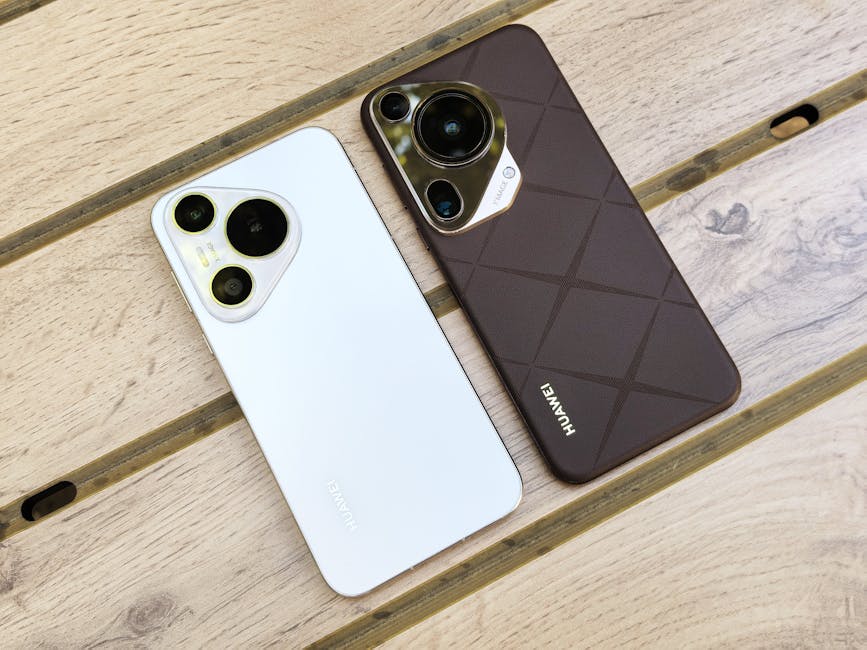
When evaluating budget phones in India, certain aspects consistently rank high on a buyer’s priority list. Here’s a breakdown of what we’ll focus on:
- Performance (Processor & RAM): Essential for smooth multitasking, gaming (BGMI, Free Fire are huge in India), and day-to-day app usage.
- Display Quality: For media consumption (OTT platforms like Hotstar, Netflix), reading, and general interaction. AMOLED vs. LCD, refresh rates, and brightness are key.
- Camera System: From capturing family moments to social media updates, a capable camera (especially the main and selfie sensors) is crucial.
- Battery Life & Charging Speed: Long commutes and frequent power cuts make extended battery life and rapid charging non-negotiable.
- Software Experience (UI/OS): The cleanliness, features, and update longevity of One UI (Samsung) vs. HyperOS (Redmi).
- Build Quality & Design: Durability and aesthetic appeal play a role, even in the budget segment.
- After-Sales Service: The availability and quality of service centers across India.
- Price & Value for Money: The ultimate deciding factor for many budget-conscious buyers.
Deep Dive into 2026 Models: A Head-to-Head Battle
To provide a concrete comparison, let’s look at hypothetical yet realistic budget models from both brands in 2026. These models reflect the natural progression of technology and pricing trends observed over the past few years, assuming advancements in chipsets, camera tech, and charging speeds permeate the budget segment.
| Feature | Samsung Galaxy A17 (Hypothetical) | Redmi 15 (Hypothetical) | Redmi Note 14 Pro (Hypothetical) |
|---|---|---|---|
| Display | 6.5-inch FHD+ Super AMOLED, 90Hz | 6.7-inch FHD+ IPS LCD, 120Hz | 6.67-inch FHD+ AMOLED, 120Hz |
| Processor | Exynos 1480 / Snapdragon 4 Gen 3 | MediaTek Dimensity 6300 | MediaTek Dimensity 7200 Ultra |
| RAM/Storage | 6GB/128GB, 8GB/128GB | 4GB/128GB, 6GB/128GB | 8GB/128GB, 8GB/256GB |
| Main Camera | 50MP (OIS) + 8MP (UW) + 2MP (Macro) | 50MP + 2MP (Depth) | 108MP (OIS) + 8MP (UW) + 2MP (Macro) |
| Selfie Camera | 13MP | 8MP | 16MP |
| Battery | 5000mAh | 5000mAh | 5500mAh |
| Charging | 25W Fast Charging | 33W Fast Charging | 67W Turbo Charging |
| OS (at launch) | Android 16 with One UI 8.0 | Android 16 with HyperOS 3.0 | Android 16 with HyperOS 3.0 |
| Expected Price (2026) | Starts at Rs 17,999 | Starts at Rs 12,499 | Starts at Rs 20,999 |
| Key Selling Point | Vibrant AMOLED, OIS camera, software updates | Affordable 120Hz display, good performance for price | Flagship-grade camera, powerful SoC, ultra-fast charging |
Pros and Cons of Each Brand (2026 Budget Offerings)
Samsung Budget Phones (e.g., Galaxy A17, M17)
- Pros:
- Superior Displays: Often feature vibrant Super AMOLED panels even in the budget segment, offering excellent colors and contrast.
- Refined Software: One UI is clean, intuitive, and generally free of bloatware or ads, providing a premium software experience.
- Longer Software Support: Samsung typically offers 3-4 years of OS updates and 4-5 years of security updates, ensuring longevity.
- Reliability & Brand Trust: A strong reputation for quality control and a robust after-sales service network across India.
- Consistent Camera Performance: While not always the highest MP, Samsung’s image processing delivers consistent, natural-looking photos. OIS is becoming standard in the mid-budget range.
- Better Resale Value: Samsung phones tend to hold their value slightly better in the Indian used phone market.
- Cons:
- Often Pricier for Specs: You might pay a slight premium for the Samsung brand and its software experience, meaning slightly less powerful hardware compared to Redmi at the same price point.
- Slower Charging Speeds: While improving, Samsung’s budget phones still lag behind Redmi in terms of charging wattage.
- Plastic Builds: While durable, the build materials can sometimes feel less premium than some Redmi counterparts.
- No Charger in Box: Increasingly, Samsung budget phones might come without a charger in the box, an added expense for some.
Redmi Budget Phones (e.g., Redmi 15, Redmi Note 14 series)
- Pros:
- Aggressive Pricing & Value: Redmi consistently offers higher specifications (processor, RAM, faster charging) for a lower price, making them a “spec-beast.”
- Faster Charging: Often includes 33W, 67W, or even faster charging in the budget and mid-range, significantly reducing downtime.
- High Refresh Rate Displays: 120Hz IPS LCDs or AMOLEDs are common, offering a smoother scrolling experience.
- Powerful Processors: Redmi often packs more capable MediaTek Dimensity or Snapdragon chipsets, appealing to gamers and heavy users.
- High Megapixel Cameras: Often feature 50MP, 64MP, or 108MP sensors, providing detailed shots in good lighting.
- Feature-Rich Software: HyperOS (formerly MIUI) offers extensive customization options and a plethora of features.
- Cons:
- Software Bloatware & Ads: HyperOS can come with pre-installed apps and occasional promotional content, which can be annoying for some users.
- Inconsistent Software Updates: While updates are provided, the consistency and longevity can sometimes be less predictable than Samsung.
- Camera Processing: Despite high MP counts, camera processing can sometimes be overly aggressive, leading to unnatural colors or inconsistent low-light performance.
- Less Refined UI: While feature-rich, HyperOS can sometimes feel less polished or optimized compared to One UI.
- Service Network: While expanding rapidly, Xiaomi’s service network, though extensive, is sometimes perceived as less robust than Samsung’s deeply entrenched presence.
User Experience and Software: One UI vs. HyperOS
The software experience is arguably as important as the hardware, as it dictates daily interaction with the device. By 2026, both Samsung and Redmi have refined their respective operating systems significantly, but their philosophies remain distinct.
Samsung’s One UI (Android 16 with One UI 8.0): Samsung’s custom skin over Android has matured into one of the most user-friendly and aesthetically pleasing interfaces. In 2026, One UI 8.0 on budget Samsung phones will continue to prioritize:
- Cleanliness and Optimization: Minimal bloatware, intuitive navigation, and smooth animations contribute to a premium feel.
- Privacy and Security: Samsung Knox security and robust privacy features are integrated, offering peace of mind.
- Long-Term Support: Samsung’s commitment to 3-4 years of OS updates and 4-5 years of security updates ensures your budget phone remains relevant and secure for a longer period.
- Ad-Free Experience: A significant draw for many, One UI budget phones are typically free of intrusive ads.
- Consistency: The experience across Samsung’s ecosystem, from budget to flagship, is remarkably consistent.
As noted by Android Authority in their long-term reviews, Samsung’s budget phones often shine in their software longevity and consistent performance over time, which is a huge benefit for Indian users who tend to keep their phones for longer durations.
Redmi’s HyperOS (Android 16 with HyperOS 3.0): HyperOS, which succeeded MIUI, aims to be a lightweight, faster, and more integrated operating system. However, its core philosophy of offering extensive customization and features remains. By 2026, HyperOS 3.0 on Redmi budget phones will feature:
- Rich Customization: Deep theming options, icon packs, and system-wide personalization.
- Feature Packed: A plethora of unique features, gestures, and utilities built into the OS.
- Performance Focus: Optimized for speed and responsiveness, especially with its emphasis on connecting various Xiaomi ecosystem devices.
- Potential for Bloatware/Ads: While Xiaomi has worked to reduce this, some pre-installed apps and occasional promotional content might still be present, though often less intrusive than previous MIUI versions.
- Update Frequency: Security updates are generally regular, but major OS updates can sometimes be slower or less consistent for budget models compared to Samsung.
For users who enjoy tinkering with their phone’s interface and appreciate a vast array of built-in tools, HyperOS can be a delight. However, those seeking a simpler, more streamlined experience might find it a bit overwhelming.
Battery Life, Charging & Durability
In India, where reliable power is paramount and phones are often used for extended periods, battery life and charging speed are critical. Both Samsung and Redmi understand this.
Battery Life: By 2026, 5000mAh batteries have become the standard even for budget phones from both brands. With optimized software and efficient chipsets, most budget phones from Samsung and Redmi can comfortably last a full day of moderate to heavy usage. Some Redmi Note series phones might even push to 5500mAh or 6000mAh, offering slightly more headroom for power users. The key difference often lies in optimization; Samsung’s One UI, being less resource-intensive, sometimes achieves slightly better real-world endurance with the same battery capacity.
Charging Speed: This is where Redmi traditionally holds a significant advantage. While Samsung’s budget phones often support 25W fast charging (which is decent), Redmi frequently offers 33W, 67W, or even 120W charging in its budget and mid-range devices. This means a Redmi phone can go from 0 to 100% in a fraction of the time compared to a Samsung counterpart. For someone constantly on the go or needing quick power boosts, Redmi’s superior charging speeds are a major convenience. However, Samsung’s 25W charging is still respectable and safe for daily use.
Durability: Both brands primarily use plastic builds for their budget phones to keep costs down. However, the quality of plastic and internal reinforcement can vary. By 2026, Gorilla Glass Victus or equivalent protection for the display is becoming more common even in the mid-budget segment, offering better scratch and drop resistance. Samsung often includes some form of IP52 or IP53 rating for dust and splash resistance in its budget offerings, a welcome addition for Indian weather conditions. Redmi is also catching up, with similar IP ratings appearing in their Note series. both are durable enough for daily use, but Samsung might have a slight edge in offering official IP ratings more consistently.
Camera Performance: Capturing Indian Moments
The camera is a major selling point for budget phones in India, especially for social media and family photos. Both brands have made significant advancements by 2026.
Samsung’s Approach: Samsung’s budget phones (like the Galaxy A17) often feature a 50MP main sensor, with Optical Image Stabilization (OIS) becoming more prevalent in the Rs 15,000-20,000 range. Samsung’s strength lies in its image processing. Photos tend to have natural colors, good dynamic range, and consistent results across different lighting conditions. Low-light performance, while not flagship-level, is commendable for the price, often benefiting from OIS and software enhancements. The ultra-wide and macro sensors are generally functional but not exceptional.
Redmi’s Approach: Redmi often leads with higher megapixel counts – 64MP, 108MP, or even higher, particularly in its Note series (e.g., Redmi Note 14 Pro). In good daylight, these sensors can capture highly detailed photos. However, Redmi’s image processing can sometimes be aggressive, leading to oversaturated colors or an artificial look. Low-light performance has improved significantly but can still be inconsistent compared to Samsung. The auxiliary lenses (ultra-wide, macro) are often included for versatility but may not offer the same quality as the main sensor.
For video recording, both brands offer 1080p at 30fps as standard, with some higher-end budget Redmi phones pushing to 4K 30fps. OIS on Samsung devices often provides smoother video. For selfies, Samsung usually delivers more natural skin tones, while Redmi aims for brighter, more ‘beautified’ shots which are popular among some user segments.
The Value Proposition: Beyond the Spec Sheet
When considering Samsung vs Redmi budget phones India, the decision extends beyond just the raw specifications. It’s about the value proposition a brand offers.
Samsung’s Value: Samsung sells reliability, a polished user experience, and long-term peace of mind. While you might pay a few thousand rupees more for a Samsung phone with comparable specs to a Redmi, you’re investing in:
- A smoother, ad-free software experience that will receive updates for years.
- A brand with an unparalleled service network and reputation for quality.
- Often, a superior display and more consistent camera performance.
- Better resale value down the line.
This “premium experience at a budget price” is a strong draw for many.
Redmi’s Value: Redmi focuses on maximizing hardware value. Their phones are for those who want the most powerful processor, the fastest charging, or the highest megapixel camera for their money.
- They are often the first to bring features from higher-end segments down to the budget category.
- Ideal for gamers, heavy users, or those who frequently upgrade and want the latest tech without breaking the bank.
- The sheer number of features and customization options in HyperOS offers a lot of utility.
Redmi’s value proposition is about immediate gratification and raw power for the price.
Frequently Asked Questions (FAQ)
1. Which brand offers better cameras in budget phones in 2026?
While Redmi often boasts higher megapixel counts, Samsung generally provides more consistent, natural-looking photos with better dynamic range, especially with the inclusion of OIS in many of its 2026 budget models. For reliable point-and-shoot performance, Samsung often has an edge, while Redmi can excel in well-lit conditions with its high-resolution sensors but may require more post-processing.
2. Is One UI or HyperOS better for budget phones in India?
The choice between One UI and HyperOS depends on personal preference. One UI (Samsung) offers a cleaner, more refined, ad-free experience with guaranteed long-term software updates. HyperOS (Redmi) is feature-rich, highly customizable, and focused on performance, but can sometimes feel heavier with bloatware and occasional ads. For simplicity and longevity, One UI is often preferred; for features and customization, HyperOS is a strong contender.
3. Which brand has better after-sales service in India?
Samsung generally has a more established and extensive after-sales service network across India, with a long-standing reputation for customer support. While Redmi/Xiaomi’s service network has grown significantly and continues to expand, Samsung’s widespread presence and brand trust often give it a perceived advantage in after-sales support.
4. Do budget phones from Samsung/Redmi get software updates?
Yes, both brands provide software updates for their budget phones. Samsung is known for its commitment to longer software support, typically offering 3-4 years of OS updates and 4-5 years of security updates even for its budget Galaxy A/M series. Redmi also provides updates, but the consistency and longevity of major OS updates for its budget models can sometimes be less predictable compared to Samsung.
5. Which brand offers better value for money in 2026 for Indian users?
Redmi often offers better “value for money” if you prioritize raw specifications like processor power, RAM, faster charging, and high-resolution cameras for a lower price point. Samsung, while sometimes slightly more expensive for comparable specs, offers “value” through its superior software experience, longer update commitment, brand reliability, and better display technology, which can translate to a more satisfying long-term ownership experience. The “better value” depends on what aspects you prioritize.
Our Verdict
After a thorough analysis of Samsung vs Redmi budget phones India in 2026, it’s clear that both brands offer compelling propositions, each excelling in different areas. There isn’t a single, definitive “winner” as the best choice ultimately depends on your individual priorities and usage patterns.
If you prioritize:
- A refined, ad-free software experience with long-term updates,
- A vibrant and high-quality display (often AMOLED),
- Consistent camera performance with natural colors,
- Unwavering brand reliability and excellent after-sales service,
- And are willing to pay a slight premium for these benefits,
Then a Samsung budget phone (like the Galaxy A17 or M17) is likely your best bet. You’ll get a device that feels premium, performs smoothly for years, and offers peace of mind.
However, if you prioritize:
- Raw performance and aggressive specifications for the price,
- Blazing-fast charging speeds,
- High refresh rate displays and potentially higher megapixel cameras,
- And enjoy a highly customizable software experience,
Then a Redmi budget phone (such as the Redmi 15 or Redmi Note 14 Pro) will offer unparalleled value. You’ll get more power and features for your money, making it ideal for gamers, tech enthusiasts, or those who frequently upgrade.
For the average Indian consumer in 2026 looking for a balanced device, the decision boils down to software experience versus raw hardware power. Our recommendation for BudgetTech India readers is to consider your long-term usage. If you plan to keep your phone for 3+ years and value a consistent, clean, and supported software experience above all else, Samsung offers a compelling package. If you are a power user, a mobile gamer, or someone who values cutting-edge specs and fast charging at the most competitive price, then Redmi remains the undisputed champion of value-for-money hardware.
Ultimately, both brands have fantastic offerings that serve distinct segments of the Indian market. Whichever you choose, ensure it aligns with your specific needs and budget. Happy phone hunting!
Want more? Browse our best budget smartphone deals section.
About the Author