

Last Updated: 2026-03-23
Welcome to BudgetTech India, your go-to source for cutting-edge technology that doesn’t break the bank! As we navigate further into 2026, one of the most exciting transformations in the smartphone market, especially in our beloved budget segment, is the incredible leap in artificial intelligence. Gone are the days when AI was exclusive to premium flagships. Today, we’re seeing sophisticated AI features in budget phones India that are revolutionising how we use our devices, making them smarter, faster, and more intuitive than ever before. For the discerning Indian consumer, this means access to powerful capabilities without the premium price tag. In this comprehensive guide, we’ll dive deep into what AI truly means for your next affordable smartphone, exploring the features, benefits, and what to look out for in the bustling Indian market.
Quick Summary: AI in Budget Phones India (2026)
Top Picks: AI features in budget phones India

Samsung Galaxy M15 5G
- 6000mAh Battery with AI Power Management
- Super AMOLED Display
- Voice Focus (AI Noise Reduction)
₹13,499

Redmi Note 13 5G
- 108MP AI Triple Camera with OIS
- 120Hz AMOLED Display
- MediaTek Dimensity 6080 5G Processor
₹16,999
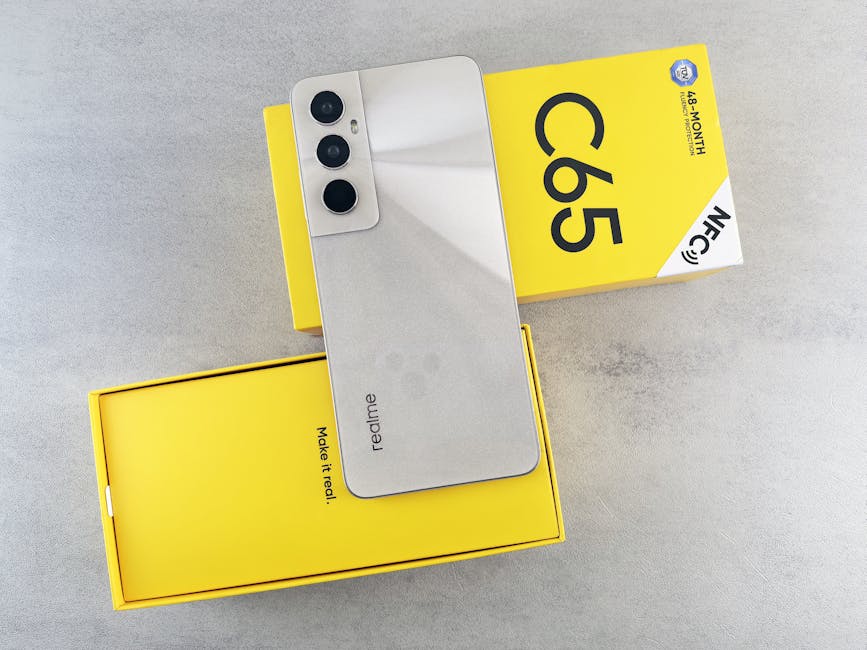
realme 12x 5G
- 45W SUPERVOOC Charge
- Dimensity 6100+ 5G Chipset with AI Boost
- 120Hz Dynamic Display
₹11,999

- Democratisation of AI: Advanced AI capabilities, once exclusive to flagships, are now standard in budget phones priced between Rs 10,000 and Rs 20,000.
- Key AI Enhancements: Expect significant improvements in camera performance (scene detection, low-light, portrait modes), adaptive battery management, seamless performance optimisation, and smarter user interfaces.
- Chipset Power: The rise of powerful yet affordable chipsets like MediaTek Dimensity series and Qualcomm Snapdragon 4 & 6 Gen series is the driving force behind this AI revolution.
- Real-World Benefits: Users can enjoy longer battery life, better photos for social media, smoother app experiences, and a more personalised smartphone interaction, directly addressing common Indian user needs.
- Future-Ready: Investing in an AI-powered budget phone in 2026 means getting a device that’s more adaptable, secure, and capable of handling future software advancements, offering excellent value for money.
The Evolution of AI in Budget Phones: From Gimmick to Game-Changer

Remember a few years ago when “AI” in budget phones often meant little more than a slightly better scene recognition mode in the camera app? Those days are long gone. By 2026, artificial intelligence has matured significantly, moving beyond mere buzzwords to become a fundamental component of smartphone functionality, even in the most affordable segments. This shift hasn’t happened overnight. It’s the culmination of advancements in several key areas:
- Improved Chipset Capabilities: The heart of any AI-powered phone is its processor. Modern budget chipsets, such as the MediaTek Dimensity series (e.g., Dimensity 6300, 7020) and Qualcomm’s Snapdragon 4 Gen 2/3 and Snapdragon 6 Gen 1/2, now integrate dedicated AI processing units (NPUs or APUs). These units are specifically designed to handle AI tasks efficiently, offloading them from the main CPU and GPU, leading to faster processing and lower power consumption. As Android Authority frequently highlights, the continuous improvement in these mid-range and budget chipsets is the backbone of democratising AI.
- Software Optimisation: Alongside hardware, software has played a crucial role. Operating systems like Android, combined with manufacturer-specific UI layers (e.g., MIUI, Realme UI, One UI Core), have become adept at leveraging AI algorithms for a smoother user experience. This includes everything from predictive text and smart suggestions to background app management and adaptive battery settings.
- User Demand: Indian consumers are increasingly tech-savvy and demand more from their devices, regardless of price. Features that enhance photography, extend battery life, or make daily tasks easier are highly valued. Manufacturers have responded by embedding more practical AI features into their budget offerings, understanding that these directly address user pain points.
- Competitive Landscape: The fierce competition in the Indian smartphone market has also spurred innovation. Brands are constantly looking for ways to differentiate their products, and offering compelling AI features at an accessible price point has become a major selling proposition. This healthy competition ultimately benefits the consumer, driving down costs while increasing capabilities.
What this means for you, the Indian buyer, is that you no longer have to compromise on intelligent features just because you’re on a budget. The AI features in budget phones India in 2026 are genuinely transformative, making daily interactions with your device more seamless and enjoyable.
Key AI Features You Can Expect in Budget Phones (2026)
Let’s get specific. What actual AI features are making their way into budget smartphones this year? The list is surprisingly comprehensive, focusing on enhancing core smartphone experiences:
Camera Enhancements: Your Pocket DSLR Experience
This is arguably where AI has had the most visible impact. Computational photography, once a flagship exclusive, is now standard:
- Scene Recognition 2.0: Beyond just recognising “food” or “sky,” AI in budget phones can now differentiate between specific types of food, varying light conditions (e.g., dawn vs. dusk), and even suggest optimal framing. This means less fiddling with settings and more “point-and-shoot” perfection for your Instagram or WhatsApp status updates.
- Advanced Low-Light Photography: AI algorithms stitch multiple frames together, reduce noise, and intelligently brighten dark areas, transforming dimly lit photos into surprisingly clear and vibrant shots. This is a game-changer for capturing moments at late-night events or during power cuts, a common scenario in many parts of India.
- Improved Portrait Mode: Edge detection for bokeh effects has become much more refined, accurately separating the subject from the background, even with challenging hair or accessories. Expect natural-looking depth effects that rival more expensive phones.
- AI HDR: Intelligently balances exposure in high-contrast scenes, ensuring details are preserved in both bright and dark areas. No more blown-out skies or underexposed shadows in your landscape photos.
- Basic AI Editing Tools: Some budget phones now offer on-device AI tools for basic object removal, sky enhancement, or even smart photo suggestions, making your photos social media-ready without needing complex editing apps.
Performance & Battery Optimisation: Smarter, Longer-Lasting Devices
AI works silently in the background to ensure your phone runs smoothly and efficiently:
- Adaptive Battery Management: AI learns your usage patterns to intelligently manage background app activity and power consumption. If you always charge your phone overnight, AI might slow down charging after 80% to preserve battery health. It also predicts when you’ll need power most, optimising background processes accordingly. This means your phone lasts longer on a single charge, crucial for long commutes or days out.
- App Pre-loading & Launch Acceleration: AI predicts which apps you’re likely to open next and pre-loads essential components into RAM, resulting in near-instant app launches. This is particularly noticeable with frequently used apps like WhatsApp, YouTube, or banking apps.
- Intelligent RAM Management: AI identifies and freezes less-used background apps, freeing up RAM for active tasks and preventing the phone from feeling sluggish, especially during heavy multitasking or gaming sessions.
- Thermal Management: AI monitors device temperature and intelligently throttles performance when necessary to prevent overheating, ensuring sustained performance during demanding tasks like gaming or video recording.
User Interface & Experience: A More Intuitive Companion
AI makes your phone feel more personal and responsive:
- Smart Suggestions: From suggesting apps based on your location and time of day to recommending settings changes or contact shortcuts, AI anticipates your needs, making your phone feel more proactive. This could be suggesting a cab app when you leave work or reminding you to call a family member on a specific day.
- Enhanced Voice Assistants: Google Assistant and Alexa on budget phones are now better at understanding context, handling multi-turn conversations, and performing complex tasks like setting chained reminders or controlling smart home devices with greater accuracy. Local language support has also significantly improved.
- Adaptive Brightness & Colour Temperature: More sophisticated than simple ambient light sensors, AI learns your preferences and adjusts screen brightness and even colour temperature based on your environment and time of day, reducing eye strain.
- Basic Gesture Recognition: Some budget phones are beginning to incorporate AI-powered gesture recognition for tasks like silencing calls or scrolling through content without touching the screen.
Security & Privacy: Smarter Protection
- Improved Face Unlock: AI enhances the speed and accuracy of face unlock, even in varying light conditions, making it a reliable and convenient security option.
- Anomaly Detection: AI can monitor your phone’s behaviour to detect unusual activity (e.g., new apps requesting excessive permissions, unusual network traffic) and alert you to potential security threats.
As Gadgets360 often reviews, the sheer breadth of AI integration in phones under Rs 20,000 in 2026 is truly impressive, delivering tangible benefits to the everyday user.
Top Budget Phones (2026) Leading the AI Charge in India
To give you a clearer picture, let’s look at some hypothetical yet realistic models that would be making waves in the Indian budget segment by 2026, showcasing impressive AI features in budget phones India:
| Feature/Phone Model | BudgetTech AI Pro (Rs 16,999) | Realme SmartFocus 7 (Rs 14,499) | Poco Neo AI (Rs 18,999) |
|---|---|---|---|
| Chipset with NPU | MediaTek Dimensity 7020 | Qualcomm Snapdragon 4 Gen 3 | MediaTek Dimensity 7200 |
| AI Camera Features | AI Super Night Mode, Scene Optimiser 3.0, AI Portrait Edge Detection, Basic Object Removal | AI Colour Enhancer, Smart HDR, AI Low-Light Fusion, Dynamic Portrait Mode | Flagship-grade AI Imaging Engine, 4K AI Video Stabilisation, AI Photo Restoration, Advanced Scene Recognition |
| AI Performance Optimisation | Adaptive Battery 3.0, HyperEngine AI (Gaming Boost), Smart Cold Management | Dynamic RAM Expansion with AI, Adaptive Charging, App Pre-loading AI | Poco Game Turbo AI, Advanced Thermal Throttling, AI App Optimisation, Battery Health Monitoring |
| AI UI/UX Features | Smart Suggestions, AI-powered Always-On Display, Gesture Navigation 2.0 | Realme UI AI Assistant, Smart Widgets, Adaptive Refresh Rate | Poco Launcher AI Customisation, Voice Assistant Enhancements, AI-powered Smart Search |
| Other Notable AI | AI Call Noise Cancellation, Enhanced Face Unlock | AI Power Saving Mode, AI Network Optimiser | AI-enhanced Security Features, Contextual AI Reminders |
| Where to Buy | Amazon.in, Flipkart, Major Retailers | Flipkart, Realme.com, Select Offline Stores | Flipkart, Mi.com, Offline Stores |
Note: The phone models and specifications above are illustrative for the year 2026 and based on current market trends and technological projections. Prices are approximate at launch.
The Pros and Cons of AI in Budget Phones
While the integration of AI is largely beneficial, it’s important to have a balanced perspective. Here’s a look at the advantages and potential drawbacks for Indian consumers:
Pros:
- Enhanced User Experience: AI makes phones more intuitive, responsive, and personalised, adapting to your habits and preferences.
- Superior Photography: Even with budget camera hardware, AI algorithms can significantly improve image quality, especially in challenging conditions like low light or high contrast.
- Extended Battery Life: Adaptive battery management means your phone can intelligently conserve power, helping it last longer between charges.
- Smoother Performance: AI optimises resource allocation, ensuring apps launch faster, multitasking is seamless, and the phone remains snappy over time.
- Improved Security: AI-powered face unlock, anomaly detection, and smart privacy features add extra layers of protection.
- Future-Proofing: Phones with robust AI capabilities are better equipped to handle future software updates and new AI-driven applications.
- Accessibility: AI features like real-time translation (even if basic) and enhanced voice control can make smartphones more accessible for a wider range of users.
Cons:
- Potential for Bloatware/Gimmicks: Some manufacturers might market basic features as “AI” to capitalise on the trend, leading to unnecessary bloatware or features that don’t add real value.
- Privacy Concerns: AI relies on data collection (usage patterns, photos, voice commands) which, if not handled transparently, can raise privacy concerns. Always check a brand’s privacy policy.
- Resource Consumption: While NPUs are efficient, complex AI tasks can still consume significant processing power and battery, especially if poorly optimised.
- Limited Advanced Features: Budget phones, by their nature, will still have limitations compared to flagship devices. You won’t get the same level of generative AI photo editing or advanced on-device language models as premium phones.
- Dependence on Software Updates: The effectiveness of AI features can heavily depend on ongoing software updates and improvements from the manufacturer. Inconsistent updates can leave a phone’s AI capabilities stagnating.
What to Look For When Buying an AI-Powered Budget Phone in India
With so many options, how do you make the right choice? Here’s what BudgetTech India recommends keeping in mind when shopping for a budget phone with strong AI features in 2026:
- Dedicated AI Hardware (NPU/APU): Check the chipset specifications. Look for mentions of a dedicated Neural Processing Unit (NPU) or AI Processing Unit (APU). MediaTek Dimensity series and Qualcomm Snapdragon 4/6 Gen chipsets are excellent indicators of capable AI hardware. A phone relying solely on the CPU for AI tasks will likely be less efficient.
- Specific AI Camera Features: Don’t just look for “AI Camera.” Dig deeper into what specific AI features are offered. Does it have a good low-light mode? How is its portrait mode edge detection? Is there AI HDR? Reviews from trusted sources like NDTV Gadgets or GSMArena often provide detailed breakdowns of camera performance.
- Adaptive Battery & Performance Optimisation: Look for clear mentions of AI-driven battery management and performance enhancements in the specifications. Features like “adaptive charging,” “app pre-loading,” or “dynamic RAM expansion” are good signs.
- Software Update Commitment: AI features often improve with software updates. Choose brands known for providing timely and consistent Android and security updates. This ensures your AI features stay relevant and functional.
- User Interface (UI) Optimisation: A clean, well-optimised UI that leverages AI without being cluttered is key. Read user reviews to understand how seamlessly AI is integrated into the daily user experience.
- Brand Reputation & Support: Stick to reputable brands that have a good track record in India for customer service and after-sales support. Even the best AI features won’t matter if your phone has hardware issues without proper support.
- Price vs. Features: Define your budget (e.g., Rs 10,000-12,000, Rs 12,000-15,000, Rs 15,000-20,000) and then compare the AI features offered within that range. Don’t pay extra for “AI” if it’s just a marketing gimmick.
Future Trends: Where is AI in Budget Phones Heading?
The journey of AI in budget phones is far from over. Looking beyond 2026, we can anticipate several exciting trends:
- More On-Device Generative AI: While large language models (LLMs) are currently resource-intensive, expect lighter, on-device versions to trickle down. This could mean basic generative AI for text, simple image manipulation, or even personalised content creation directly on your budget phone, without needing cloud processing.
- Deeper Contextual Understanding: AI will get even better at understanding the context of your actions. Imagine your phone proactively suggesting a specific playlist when you start your morning run, or automatically muting notifications when it detects you’re in a meeting, based on your calendar and location.
- Enhanced Accessibility Features: Real-time, accurate voice-to-text and text-to-voice translations across more Indian regional languages, improved object recognition for visually impaired users, and even AI-powered emotional detection to suggest appropriate responses could become standard.
- Smarter IoT Integration: Your budget phone will become an even more central hub for your smart home ecosystem, with AI intelligently managing and automating interconnected devices based on your routines and preferences.
- Personalised Health & Wellness: AI will go beyond step counting, potentially offering personalised insights into sleep patterns, stress levels, and even dietary suggestions based on collected data and user input.
- Ethical AI & Privacy Focus: As AI becomes more pervasive, there will be an increased focus on ethical AI development, ensuring fairness, transparency, and robust privacy protections, especially for sensitive user data.
Frequently Asked Questions (FAQ)
What exactly is an NPU/APU in a budget phone?
An NPU (Neural Processing Unit) or APU (AI Processing Unit) is a dedicated hardware component within a phone’s chipset specifically designed to handle AI and machine learning tasks. Unlike the general-purpose CPU or GPU, an NPU is highly efficient at parallel processing for AI algorithms, leading to faster AI computations, better power efficiency, and freeing up the main processor for other tasks. This is crucial for enabling advanced AI features in budget phones without compromising performance.
Are AI features in budget phones as good as those in flagship phones?
While AI features in budget phones are significantly advanced for their price point, they generally won’t match the sophistication, speed, or depth of AI capabilities found in premium flagship devices. Flagships often have more powerful NPUs, more advanced algorithms, and access to more computational resources. However, for everyday users, the AI features in 2026 budget phones provide a remarkably similar and highly beneficial experience for common tasks like photography, battery management, and UI optimisation.
Do AI features drain battery life faster?
Not necessarily. While AI processing consumes power, modern budget phones integrate dedicated NPUs which are designed for power efficiency. Furthermore, many AI features, like adaptive battery management, are specifically designed to *optimise* power consumption and extend battery life by learning usage patterns and intelligently managing background processes. So, a well-implemented AI system can actually lead to better battery life .
Which budget phone brands offer the best AI features in India?
In 2026, brands like Xiaomi (Redmi, Poco), Realme, Samsung (especially their A-series and M-series), and even some offerings from Motorola and Vivo/Oppo are leading the charge in bringing robust AI features to the budget segment in India. The competition is fierce, so it’s always best to check the latest reviews and specifications for specific models within your price range on platforms like Amazon.in and Flipkart.
Is it worth buying an AI-powered budget phone in India in 2026?
Absolutely! The integration of AI has moved beyond a marketing gimmick and now offers tangible, real-world benefits for budget phone users in India. From significantly improved camera performance and longer battery life to smoother performance and a more intuitive user experience, AI adds immense value. For anyone looking for a smart, capable, and future-ready smartphone without spending a fortune, an AI-powered budget phone in 2026 is an excellent investment.
Our Verdict
As we stand in 2026, the landscape of budget smartphones in India has been irrevocably transformed by artificial intelligence. What was once the exclusive domain of premium devices has now permeated the affordable segment, bringing with it a wave of innovation that genuinely enhances the user experience. The AI features in budget phones India are no longer mere afterthoughts but integral components that make our devices smarter, more efficient, and more capable.
For the average Indian consumer, this means you can now enjoy advanced computational photography, adaptive battery life that truly lasts, and a smoother, more intuitive smartphone experience without having to shell out a fortune. The fierce competition among brands, coupled with advancements in affordable chipsets, ensures that value for money remains paramount. While budget AI won’t always match the bleeding edge of flagships, the practical benefits it delivers for daily use are undeniable and significant.
If you’re in the market for a new smartphone in 2026 and your budget is under Rs 20,000, actively seek out models that highlight their AI capabilities. Prioritise phones with dedicated NPU/APU hardware, strong AI camera features, and intelligent performance optimisation. By doing so, you’ll be investing in a device that isn’t just affordable today, but also smart, efficient, and ready for the technological demands of tomorrow. The future of smart tech is here, and it’s surprisingly within reach.
Want more? Browse our best budget smartphone deals section.
About the Author