
Published: 2026-01-24 | Updated: 2026-01-24
Imagine a young college student, Priya, on her morning commute in Bengaluru. Her smartphone isn’t just a device; it’s her universe – from catching up on global tech news to designing her next fashion project, all before her chai gets cold. This isn’t just Priya’s story; it’s the evolving digital narrative of India’s youth in 2026.
Quick Summary

- Indian youth are digital natives, shaping tech trends with unique demands.
- Smartphones remain central, but AI and AR integration in daily apps is soaring.
- Gaming, content creation, and skill-based learning dominate online activities.
- Data privacy, digital well-being, and combating misinformation are growing concerns.
- The tech landscape is rapidly evolving, demanding adaptive digital literacy and tools.
The Digital Pulse of India’s Youth: Key Statistics and Trends
The year 2026 finds India’s youth, primarily Gen Z and the burgeoning Gen Alpha, firmly entrenched in a hyper-connected world. Their relationship with technology is less about adoption and more about innate integration. According to a recent report by Gadgets360, smartphone penetration among 18-24 year olds in urban India has comfortably crossed 95%, with 5G connectivity becoming the norm even in Tier-2 cities. This isn’t just about owning a device; it’s about unparalleled access to information, entertainment, and opportunities.
Data consumption patterns tell an even more compelling story. Short-form video platforms continue their meteoric rise, with daily engagement times frequently exceeding two hours. AI-powered content creation tools, ranging from video editors to personalized learning assistants, are no longer niche but mainstream. Gaming has solidified its position as a cultural cornerstone, with esports gaining significant traction and offering viable career paths. Beyond entertainment, there’s a discernible shift towards using tech for upskilling – from coding bootcamps delivered via micro-learning apps to virtual reality (VR) simulations for vocational training.
The influence of global trends is undeniable, yet Indian youth are also carving out unique usage patterns. The demand for localized content, particularly in regional languages, has never been higher, driving innovation in AI translation and content generation. Payment apps like UPI are seamlessly integrated into daily life, making digital transactions intuitive even for pocket money management. This demographic isn’t just consuming tech; they’re actively shaping its future, demanding more intuitive, personalized, and ethically sound digital experiences.
Beyond the Scroll: How Indian Youth Are Redefining Tech Usage

Gone are the days when technology was primarily a tool for passive consumption. In 2026, Indian youth are active participants, creators, and even entrepreneurs in the digital realm. The creator economy, fueled by platforms like Instagram, YouTube, and various regional alternatives, has exploded. Young individuals are leveraging their smartphones and affordable editing software to build personal brands, share their passions, and even generate significant income. This shift from ‘viewer’ to ‘creator’ marks a profound evolution in tech engagement.
Education and skill development have also undergone a radical transformation. Traditional classroom learning is increasingly augmented by AI-driven personalized tutors and interactive online courses. Platforms offering certifications in emerging technologies like AI/ML, blockchain, and cybersecurity are seeing record enrollments from young Indians keen to future-proof their careers. TechCrunch recently highlighted the sharp rise in Indian startups focusing on AI-powered educational platforms, targeting the lucrative youth market with solutions tailored to local curricula and career aspirations.
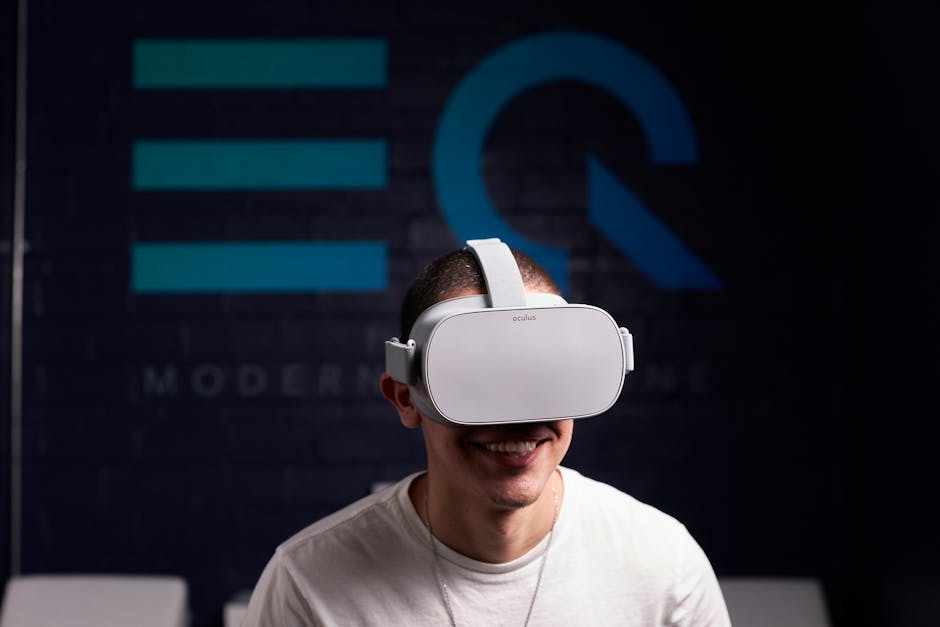
Augmented Reality (AR) is another area witnessing significant uptake, moving beyond mere filters to practical applications. From virtual try-ons for fashion to interactive learning modules that bring textbooks to life, AR is enhancing real-world experiences. While the Metaverse is still finding its footing, young Indians are exploring its nascent forms through gaming, virtual events, and digital ownership, hinting at future paradigms of social interaction and commerce. This dynamic engagement underscores a generation that views technology not just as a tool, but as an extension of their ambition and creativity.
The Upsides and Downsides: Pros & Cons of Hyper-Connectivity
- Pros:
- Unprecedented access to information and global knowledge.
- Enhanced opportunities for skill development and personalized learning.
- Facilitation of creativity and the rise of the creator economy.
- Increased social connectivity and community building across geographical barriers.
- Empowerment through entrepreneurship and digital livelihood opportunities.
- Access to diverse entertainment and cultural content.
- Cons:
- Risk of digital addiction and its impact on mental health.
- Exposure to misinformation, fake news, and cyberbullying.
- Concerns over data privacy and the security of personal information.
- Potential for digital divide, leaving behind those with limited access or skills.
- Sedentary lifestyles and reduced physical activity.
- Pressure to maintain online personas and comparison with others.
FAQ
What are the primary tech devices used by Indian youth in 2026?
Smartphones remain the undisputed primary device, serving as an all-in-one tool for communication, entertainment, education, and commerce. Laptops and tablets are also prevalent, especially for academic or creative work, but the smartphone’s versatility makes it indispensable.
How is AI impacting daily tech usage for young Indians?
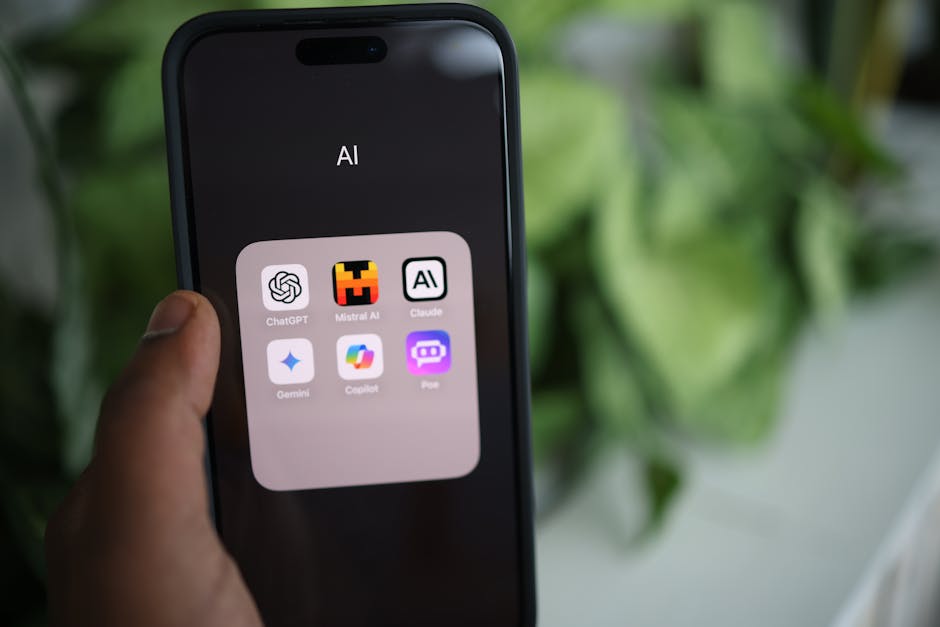
AI is deeply embedded, often subtly. It powers personalized content recommendations on streaming platforms, refines search results, enhances photo and video editing, drives intelligent assistants, and delivers customized learning paths in educational apps. From smart replies to predictive text, AI makes digital interactions smoother and more intuitive.
Are Indian youth concerned about data privacy?
Yes, awareness about data privacy and digital footprint is growing significantly among Indian youth. While convenience often takes precedence, there’s an increasing demand for transparency from tech companies and more robust privacy controls. Debates around data localization and ethical AI are becoming more prominent in their digital conversations.
What role does 5G play in current youth tech trends?
5G is a game-changer, enabling faster downloads, seamless high-definition streaming, and lag-free online gaming, which are crucial for content consumption and creation. Its low latency is also vital for emerging technologies like AR/VR applications, cloud gaming, and real-time collaborative tools, unlocking new possibilities for digital experiences.
Final Thoughts
The journey of Indian youth with technology in 2026 is a vibrant tapestry of innovation, aspiration, and constant evolution. It’s a relationship marked by curiosity, a drive to create, and a demand for more meaningful digital engagement. As infrastructure improves and new technologies emerge, this demographic will continue to redefine not just how we use tech, but how it integrates into the very fabric of our lives, shaping India’s digital destiny with every tap, swipe, and voice command.
Looking for more? Explore our tech guides section.
About the Author