

Published: 2026-01-15 | Updated: 2026-01-15
Imagine it’s 2026. Rina, sipping her morning chai in Bengaluru, asks her smart assistant, “What’s the best deal on organic groceries today?” Instantly, a personalized list appears, comparing prices across three apps, factoring in her dietary preferences and loyalty points. This isn’t science fiction; it’s the everyday reality AI has brought to Indian consumers.
Quick Summary

- AI is deeply integrated into daily Indian consumer life by 2026, from shopping to finance.
- Personalized recommendations and voice search in vernacular languages are driving e-commerce growth.
- The benefits include unprecedented convenience, better deals, and improved accessibility to services.
- Concerns around data privacy, digital literacy, and algorithmic bias remain crucial discussion points.
- India’s unique market needs are shaping AI development, focusing on affordability and local relevance.
The AI Revolution in Your Pocket: A 2026 Snapshot
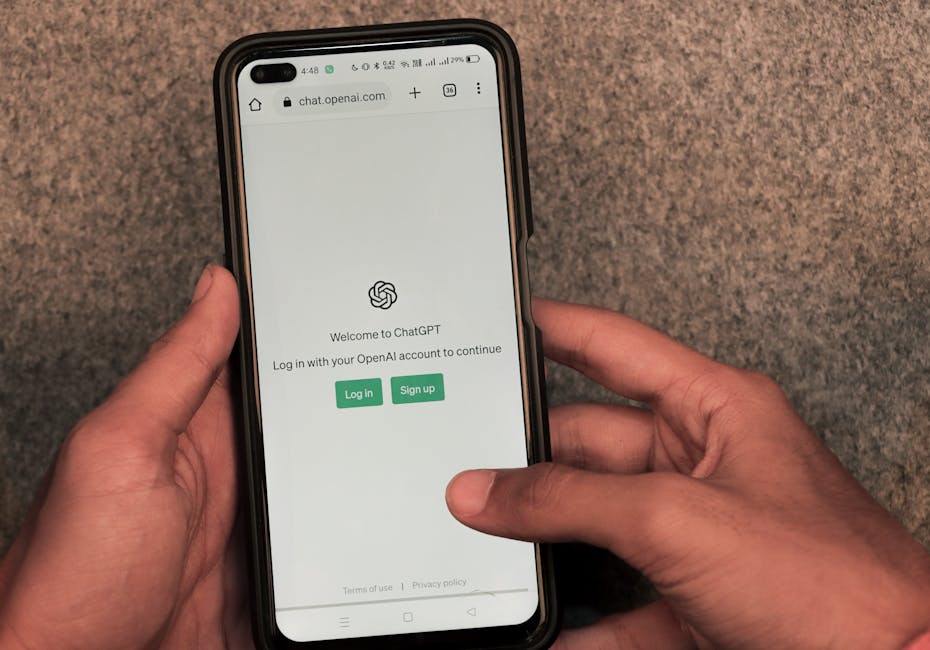
Gone are the days when Artificial Intelligence felt like something reserved for elite labs or futuristic movies. In India today, AI is a ubiquitous, silent partner in countless transactions and interactions. From the moment you unlock your smartphone to the intelligent algorithms powering your UPI payments, AI is streamlining our lives in ways we might not even consciously notice.
Think about your daily commute. AI-powered traffic prediction apps don’t just tell you the fastest route; they learn your preferred timings, suggest alternative transport, and even pre-book your ride-share based on your calendar. When you browse for that new smartphone, AI sifts through millions of products, reviews, and specifications, offering you options perfectly aligned with your budget, usage patterns, and brand loyalty. This level of personalized assistance, once a luxury, is now an expectation for the average Indian consumer.
How AI is Reshaping Indian Buying Habits

The transformation in how we discover, evaluate, and purchase products is nothing short of revolutionary. Before the widespread adoption of AI, finding a product meant endless scrolling, comparing specifications manually, and hoping reviews were genuine. Now, AI acts as a super-efficient personal shopper, understanding nuances that traditional search engines simply couldn’t.
A recent report highlighted by NDTV Gadgets noted a significant surge in voice-activated commerce, especially in Tier-2 and Tier-3 cities, largely thanks to AI’s improving ability to understand and respond in multiple Indian vernacular languages. This has opened up e-commerce to a vast segment of the population previously underserved by English-centric interfaces.
Consider the stark contrast:
- Discovery: Old way – Typing generic keywords into a search bar, hoping for relevant results. New way – Asking your smart speaker, “Find me a durable mixer grinder under ₹4,000 with good reviews for dosa batter,” and getting curated, actionable recommendations based on your past purchases and even local preferences.
- Decision-Making: Old way – Reading through dozens of potentially fake reviews and comparing specs manually. New way – AI-powered comparison tools summarize pros and cons, highlight key differences, and even predict product longevity based on aggregated data, offering a ‘trust score’ for reviews.
- Post-Purchase: Old way – Manually tracking packages and contacting customer service for issues. New way – AI chatbots handle queries instantly, predict delivery delays, and even proactively suggest maintenance tips or complementary products.
This shift isn’t just about convenience; it’s about empowerment. Consumers are making more informed decisions, accessing better deals, and saving precious time and effort.
Pros & Cons of AI for Indian Consumers
Pros:
- Unmatched Personalization: From product recommendations to content consumption, AI tailors experiences to individual needs and preferences.
- Increased Convenience: Voice assistants, smart home devices, and intelligent apps simplify daily tasks and streamline shopping.
- Better Deals & Savings: AI-powered price comparisons and predictive analytics help consumers find the best value for money.
- Enhanced Accessibility: Support for vernacular languages and assistive technologies makes tech more inclusive for diverse populations.
- Smarter Financial Management: AI-driven tools help track spending, suggest savings, and even offer personalized investment advice.
Cons:
- Privacy Concerns: The collection and analysis of vast amounts of personal data raise questions about security and misuse.
- Digital Divide: While growing, access to smart devices and reliable internet still isn’t universal, potentially widening the gap for those without.
- Algorithmic Bias: AI models, if not carefully trained, can perpetuate or even amplify existing societal biases.
- Over-reliance and Skill Erosion: Too much reliance on AI for decision-making might reduce critical thinking skills over time.
- Job Displacement: While creating new roles, AI automation could impact traditional jobs in customer service, data entry, and more.
Frequently Asked Questions About AI’s Influence
Is AI making tech more expensive in India?
Not necessarily. While high-end AI devices exist, the beauty of AI in India is its integration into affordable smartphones and existing services. Many AI features are software-based updates, meaning consumers often benefit without needing to buy entirely new hardware. The focus on accessibility means developers are constantly finding ways to bring AI to the masses cost-effectively.
How does AI handle Indian languages?
This is an area of massive growth. Companies are heavily investing in training AI models on diverse Indian languages and dialects. Services like Google Assistant, Alexa, and various e-commerce platforms now offer robust support for Hindi, Tamil, Telugu, Marathi, Bengali, and many others, making technology far more intuitive for non-English speakers. TechCrunch has frequently covered the advancements in natural language processing for Indic languages.
What about data privacy with all this AI?
Data privacy is a paramount concern. While AI requires data to learn and personalize, companies are increasingly implementing stronger encryption, anonymization techniques, and clearer privacy policies. India’s evolving data protection laws are also pushing for greater transparency and user control over personal data. As consumers, it’s crucial to be aware of app permissions and privacy settings.
Will AI replace human jobs for consumers?
The consensus is that AI will transform jobs rather than simply eliminate them. While some repetitive tasks might be automated, AI also creates new roles in development, maintenance, and ethical oversight. For consumers, this could mean more efficient services with human intervention for complex issues, or entirely new types of products and services that require human creativity and empathy to manage.
Final Thoughts
The journey of AI in India is still unfolding, but its impact on consumer behavior in 2026 is undeniable and profound. It has moved beyond being a novelty to an indispensable tool, making our lives more convenient, connected, and personalized. As we navigate this AI-powered landscape, understanding its capabilities and being mindful of its implications will be key. This isn’t just about adopting new gadgets; it’s about embracing a smarter way of living and interacting with the world around us, ensuring that technology serves humanity in the most enriching ways possible.
Looking for more? Explore our tech guides section.
About the Author