
Published: 2026-02-07 | Updated: 2026-02-07
The alarm buzzed, but Priya didn’t stir. Her smartphone, now a silent sentinel by her bedside, had already analyzed her sleep cycle, dimming the lights and gently vibrating to match her lightest sleep phase. “Good morning, Priya. Your personalized news feed awaits, and remember that presentation at 11 AM,” a calm, synthesized voice announced. Welcome to 2026, where your phone isn’t just smart; it anticipates you.
Quick Summary: The AI Revolution in Your Pocket
Recommended Smartphones Picks
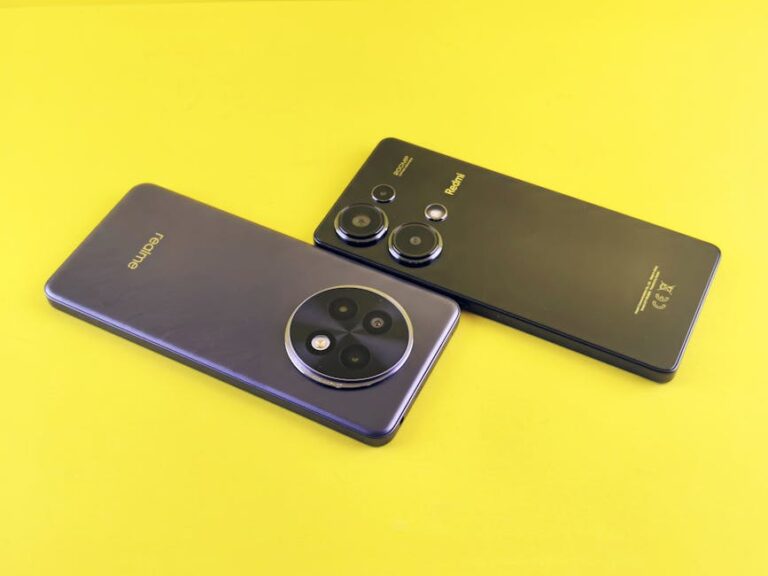
Redmi Note 13 5G
- Capture stunning photos with its 108MP AI camera.
- Experience seamless connectivity with 5G support.
- Enjoy extended usage with an optimized long-lasting battery.
Price: ₹17,999
Realme 12 5G
- Boasts a 50MP AI camera for crisp, detailed shots.
- Future-ready with robust 5G connectivity for fast speeds.
- Reliable battery life enhanced by intelligent power management.
Price: ₹16,999
Samsung Galaxy M15 5G
- Massive 6000mAh battery for all-day power.
- Equipped with a versatile 50MP triple AI camera.
- Seamless 5G experience for browsing and streaming.
Price: ₹14,499

- Smartphones in 2026 are deeply integrated with AI, offering hyper-personalized user experiences.
- AI goes beyond voice assistants, enhancing camera, battery, security, and health monitoring.
- Indian consumers are rapidly adopting AI-powered features, especially for vernacular support and local content.
- Mid-range segments are seeing significant AI integration, making advanced tech accessible.
- The future promises even more intuitive and proactive AI, blurring lines between device and assistant.
The AI Takeover: More Than Just Smart Assistants

Remember when AI on phones mostly meant asking Google Assistant for directions or setting a timer? Fast forward to 2026, and that seems almost quaint. Today’s smartphones are powerhouses of on-device AI, running complex algorithms that learn from your daily habits, preferences, and even your emotional state. This isn’t just cloud-based processing anymore; the Neural Processing Units (NPUs) inside devices like the latest Realme or Xiaomi flagships handle incredible computational tasks locally, ensuring speed and privacy.
According to a recent report highlighted by TechCrunch, the global smartphone market is projected to see over 80% of new devices shipped in 2026 featuring advanced AI capabilities, with India being a key driver of this growth. From predictive text that genuinely understands context to cameras that can instantly translate live text in 100+ languages, AI is everywhere. Your phone’s battery management, for instance, no longer just learns your charging habits; it predicts your usage peaks and valleys throughout the day, optimizing power consumption with surgical precision. No more sudden battery drains during that crucial online class or gaming session!
Indian Consumers & AI: A Deep Dive into Preferences

India’s diverse linguistic landscape and unique digital consumption patterns make it a fertile ground for AI innovation. AI-powered vernacular language support has become a non-negotiable feature for many Indian users. Imagine snapping a photo of a street sign in an unfamiliar city, and your phone instantly providing an accurate, culturally nuanced translation, not just a literal word-for-word interpretation. This level of localization, driven by advanced AI, is a game-changer for accessibility and daily convenience.
Moreover, AI is tailoring content recommendations like never before. Streaming platforms on your phone aren’t just suggesting movies based on your watch history; they’re understanding your mood, the time of day, and even who you might be watching with (if your phone’s AI has learned your social patterns). This hyper-personalization extends to e-commerce, health monitoring apps that suggest yoga routines based on your fitness goals and local dietary habits, and even smart payment systems that predict your preferred transaction methods based on location and merchant type. NDTV Gadgets has often reported on how Indian smartphone brands are increasingly focusing their R&D on AI features that directly address these unique local needs, pushing the envelope for what’s possible in mid-range and premium segments alike.
AI-Powered Smartphones: What’s Under the Hood?
Let’s talk comparison. A smartphone from just two years ago, say late 2024, might have boasted a decent NPU for basic image processing and voice commands. Fast forward to 2026, and the leap is monumental. Today’s devices feature multi-core NPUs capable of running multiple AI models simultaneously. This means your phone can be enhancing video calls in real-time, transcribing a lecture, and running a complex AR application – all without breaking a sweat.
Consider camera AI: In 2024, phones had “scene recognition.” Now, AI goes deeper. It understands lighting nuances, subject expressions, and even predicts motion, allowing for truly ‘pro-level’ photography with minimal effort. Computational photography is no longer just about merging multiple exposures; it’s about intelligently reconstructing scenes, removing unwanted objects, and even generating stylistic effects based on your preferences. Gaming, too, benefits immensely. AI-powered upscaling and frame generation ensure smoother, more immersive experiences, even on graphically intensive titles, allowing mid-range devices to punch far above their weight class.
The Ups and Downs of Living with AI on Your Phone
Pros
- Unmatched Personalization: Your phone truly understands you, anticipating needs and preferences.
- Enhanced Productivity: Smart assistants manage schedules, filter notifications, and automate routine tasks.
- Superior Photography & Videography: AI makes everyone a better photographer, with intelligent scene optimization and editing.
- Improved Accessibility: Advanced language translation, voice control, and adaptive interfaces benefit diverse users.
- Optimized Performance: AI manages battery life, app performance, and security proactively.
Cons
- Privacy Concerns: The more AI learns about you, the more data it collects, raising questions about data security.
- Over-reliance: Potential for users to become overly dependent on AI for decision-making and memory.
- Learning Curve: While intuitive, harnessing advanced AI features can still require some initial effort.
- Cost Implications: Advanced AI hardware and software can contribute to higher device prices.
- “Black Box” Problem: Understanding how AI makes certain decisions can be opaque to the average user.
Your Burning Questions About AI Smartphones, Answered!
How secure is my data with all this AI learning about me?
Data security is a paramount concern for smartphone manufacturers in 2026. A significant portion of AI processing now happens “on-device,” meaning your personal data often doesn’t leave your phone. For data that does go to the cloud, advanced encryption, federated learning (where AI models learn from aggregated data without seeing individual raw data), and robust privacy policies are standard. Always check the privacy settings and policies of your device and apps.
Will AI make my phone obsolete faster?
Ironically, AI might extend the useful life of your phone. With intelligent resource management, adaptive performance, and the ability to learn and optimize over time, your device can stay snappy and relevant for longer. Software updates often bring new AI capabilities, enhancing existing hardware rather than demanding new hardware every year. However, significant leaps in NPU technology will still tempt upgrades.
Can AI help me save money on my phone usage?
Absolutely! AI can monitor your data usage patterns, suggesting optimal plans or alerting you before you hit limits. It can also identify and recommend deals on products and services based on your preferences, and even manage background app data consumption to prevent unnecessary charges, especially useful in India’s varied telecom landscape.
What’s the next big thing for AI in smartphones beyond 2026?
Beyond 2026, expect AI to become even more contextually aware and predictive. We’re talking about “ambient intelligence,” where your phone’s AI seamlessly integrates with your entire smart ecosystem (home, car, wearables) to create a truly invisible, proactive assistant. Imagine an AI that not only suggests a restaurant but books it, orders your preferred dish, and navigates you there, all based on a fleeting thought you expressed earlier. The lines between your digital self and your physical environment will blur even further.
Final Thoughts: The Future is Now, and It’s Smart
The smartphone in 2026 isn’t just a communication device; it’s a personalized digital companion, an extension of your own intellect, constantly learning and adapting to make your life smoother, more productive, and undeniably more connected. From the bustling streets of Mumbai to the serene landscapes of Kerala, AI is democratizing advanced technology, making sophisticated tools accessible and intuitive for millions. As this revolution unfolds, our relationship with these pocket-sized supercomputers will only deepen, evolving in ways we’re only just beginning to imagine.
Looking for more? Explore our budget laptops section.
About the Author