Last Updated: 2026-03-21
Welcome back to BudgetTech India, your trusted source for making smart tech choices without breaking the bank! If you’re anything like us, you’re constantly on the lookout for that sweet spot where affordability meets performance, especially when it comes to smartphones. And let’s be honest, in a dynamic market like ours, the anticipation surrounding every new budget phone launch India sees is palpable. As we step into 2026, the landscape of affordable smartphones has evolved dramatically, offering more features, better design, and enhanced capabilities than ever before.
This year promises to be a game-changer for budget-conscious consumers across India. With advancements in manufacturing, fierce competition among brands, and a growing demand for accessible technology, manufacturers are pushing the boundaries of what’s possible in the sub-₹15,000 segment. From blazing-fast 5G connectivity becoming standard to AI-enhanced cameras and multi-day battery life, the options are getting incredibly exciting. We’re here to cut through the noise, examine the latest trends, and help you navigate the bustling market of budget phone launches in India for 2026, ensuring you get the best value for your hard-earned rupees.
Quick Summary: Budget Phone Launches India 2026
- 5G is Standard: Expect 5G connectivity across almost all new budget phones launched in India this year, even in the sub-₹10,000 category.
- Enhanced Performance: Processors like MediaTek Dimensity 6300/6400 series or Snapdragon 4 Gen 3/6 Gen 1 will deliver smooth daily performance and light gaming.
- Camera Innovations: AI-powered computational photography is making its way to budget phones, improving image quality despite lower megapixel counts.
- Battery & Charging: Large 5000mAh+ batteries with 25W-33W fast charging are becoming common, offering all-day power.
- Software Experience: Android 16 (Go Edition or full) with streamlined UIs and guaranteed updates will be a key differentiator among brands.
The Evolving Landscape of Budget Phones in India (2026)

The Indian smartphone market has always been price-sensitive, but 2026 marks a significant shift in consumer expectations within the budget segment. No longer are users content with just a functional device; they demand style, performance, and features that were once exclusive to mid-range or even flagship phones. This heightened expectation is largely driven by increased digital literacy, the proliferation of online content consumption, and the need for reliable devices for education and work.
One of the most significant trends we’re observing is the democratization of 5G technology. What started as a premium feature has, by 2026, trickled down to almost every new budget phone launch in India. This is crucial for future-proofing devices, especially as 5G networks become more robust and widespread across Tier 2 and Tier 3 cities. Data from market analysts, as reported by Gadgets360, indicates that over 85% of all smartphones sold in India in Q4 2025 were 5G-enabled, a clear sign of the market’s direction.
Beyond connectivity, sustainability and software longevity are emerging as key factors. Consumers are increasingly aware of their environmental footprint and prefer devices that receive consistent software updates, ensuring security and access to new features for a longer period. This puts pressure on manufacturers to offer at least 2 years of Android version updates and 3 years of security patches, even for their most affordable offerings. Brands that fail to meet these expectations risk losing out to competitors who prioritize long-term user experience.
Design language has also seen a dramatic overhaul. Gone are the days of bulky, uninspired plastic slabs. Modern budget phones in 2026 boast sleek designs, often with thinner bezels, punch-hole cameras, and attractive finishes that mimic their more expensive counterparts. This aesthetic appeal, combined with improved build quality, makes budget phones more desirable than ever before.
Furthermore, the integration of Artificial Intelligence (AI) at the hardware level is no longer just for high-end chips. Entry-level chipsets are now equipped with dedicated AI processing units (NPUs) that enhance everything from camera performance (scene detection, portrait mode) to battery management and system optimization. This means your budget phone can learn your usage patterns and intelligently allocate resources, leading to a smoother and more efficient experience.
Key Players and Anticipated Budget Phone Launches in India (2026)

The Indian budget smartphone market is a battleground, with several brands vying for supremacy. Xiaomi (with its Redmi and POCO sub-brands), Realme, and Samsung continue to be dominant forces, consistently bringing out competitive devices. However, brands like Infinix, Lava, Micromax, and even the revitalized JioPhone (now with more advanced Android versions) are making significant inroads, offering compelling alternatives.
Let’s look at some of the anticipated trends and hypothetical launches that align with the budget phone launch India narrative for 2026:
- Xiaomi (Redmi & POCO): Xiaomi’s Redmi series, particularly the “Note” and “number” series (e.g., Redmi 16, Redmi 16 Pro), remains a strong contender. They are expected to push the boundaries of price-to-performance, offering AMOLED displays, 50MP main cameras with OIS (Optical Image Stabilization), and fast charging at aggressive price points. POCO, known for its performance-centric approach, might introduce models like the POCO C7 or POCO M7, focusing on gaming-ready chipsets and high refresh rate screens in the sub-₹12,000 segment.
- Realme: Realme’s “C” series and numerical series (e.g., Realme C60, Realme 13i) are designed specifically for the budget segment. Expect them to continue their focus on trendy designs, large batteries, and competitive cameras. Realme is also known for its rapid charging tech, which we anticipate will trickle down further into their budget offerings.
- Samsung: Samsung’s Galaxy M and A series continue to perform well. For 2026, we foresee models like the Samsung Galaxy M17 or A17 offering robust build quality, reliable software support, and the trusted Samsung brand name. Their budget phones are increasingly adopting AMOLED screens and multi-year software update commitments, making them attractive for users prioritizing reliability and brand trust.
- Infinix & Tecno: These Transsion Holdings brands have carved a niche by offering feature-packed phones with aggressive pricing, often targeting younger audiences with large displays, big batteries, and unique design elements. Expect new iterations of their Hot and Smart series (e.g., Infinix Hot 40, Tecno Spark 20) with improved cameras and faster processors.
- Lava & Micromax: India’s homegrown brands are making a strong comeback, focusing on “Made in India” appeal and clean Android experiences. Lava’s Blaze series and Micromax’s In series (e.g., Lava Blaze 4, Micromax In 3) are expected to offer competitive specs with emphasis on user privacy and minimal bloatware, often at highly attractive prices.
These brands are not just competing on specs but also on the overall user experience, including software optimization, after-sales service, and community engagement. The consumer stands to gain immensely from this intense competition.
What Defines a “Budget Phone” in 2026? Features to Look For
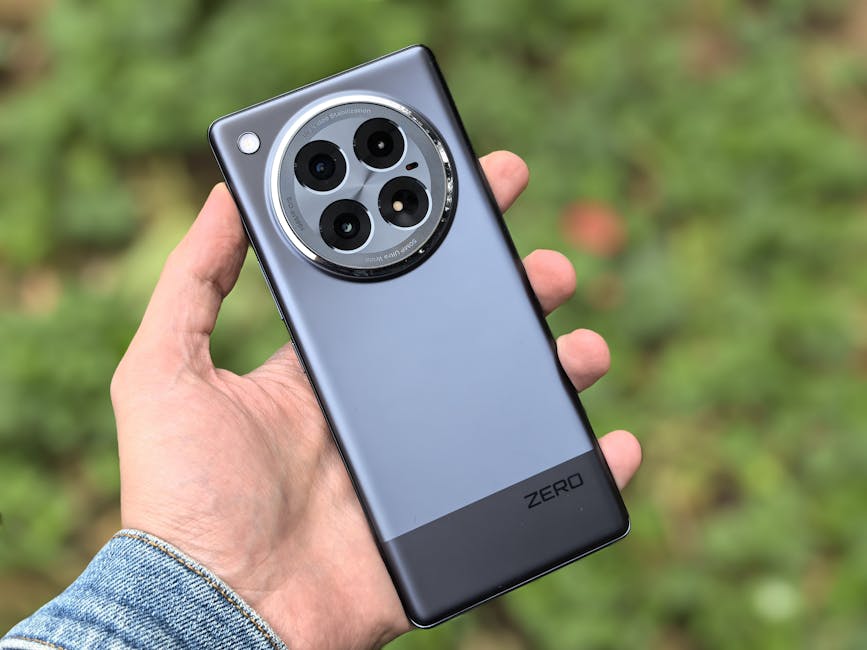
Defining a “budget phone” in India in 2026 is less about a specific price tag and more about the value proposition. Generally, we’re talking about devices priced between ₹8,000 and ₹15,000. However, the features packed into this segment are truly impressive:
- Processor Performance: The backbone of any smartphone. In 2026, expect chipsets like the MediaTek Dimensity 6300/6400 series or Qualcomm Snapdragon 4 Gen 3/6 Gen 1. These processors are efficient, 5G-enabled, and capable of handling daily tasks, social media, light gaming, and multitasking without significant lag.
- RAM and Storage: A minimum of 4GB RAM is standard, with 6GB RAM becoming increasingly common even in the sub-₹12,000 segment. For storage, 64GB is the bare minimum, but 128GB internal storage is highly recommended and often available, especially with UFS 2.2 for faster read/write speeds. Expandable storage via a microSD card slot is still a valued feature for many Indian users.
- Display Quality: Full HD+ resolution (1080p) is now the norm. While LCD panels are still prevalent, AMOLED displays are making their way into the ₹12,000-₹15,000 price bracket, offering vibrant colors and deep blacks. A 90Hz or even 120Hz refresh rate is becoming standard for smoother scrolling and a more fluid user experience.
- Camera Capabilities: Megapixels aren’t everything, but a 50MP main sensor (often with pixel-binning technology) is common. More importantly, look for phones that leverage AI for computational photography, which can significantly improve dynamic range, low-light performance, and portrait mode effects. A decent 8MP or 13MP front camera is also expected for selfies and video calls.
- Battery Life and Charging Speed: A 5000mAh battery is almost a given, providing comfortably over a day of usage for most users. Fast charging has also become a critical feature, with 25W to 33W charging speeds allowing for a full charge in under 90 minutes.
- Software Experience: Most budget phones will run on Android 16, either the full version or Android Go Edition for entry-level devices. A clean, optimized user interface (like Samsung’s One UI Core or near-stock Android from Lava/Micromax) with minimal bloatware is highly desirable. Crucially, look for brands that promise at least 2 major Android updates and 3 years of security patches, as highlighted by tech reviewers like NDTV Gadgets, for long-term usability.
- Connectivity and Other Features: 5G is a must-have. Dual SIM support, a 3.5mm headphone jack, and a side-mounted fingerprint sensor are also common and expected. Some devices might even offer basic IP ratings for splash resistance.
Deep Dive: Comparing the Hottest Budget Phone Launches of 2026
To give you a clearer picture of what to expect, let’s look at three hypothetical, yet highly realistic, budget phone launches in India for 2026. These models are designed to represent the best features and value propositions from leading brands within the sub-₹15,000 segment. Please note, these are illustrative models based on market trends and anticipated advancements.
| Feature | Redmi 16 (Pro Edition) | Realme C60 Pro | Samsung Galaxy M17 5G |
|---|---|---|---|
| Expected Price (Rs.) | ₹13,999 | ₹12,499 | ₹14,999 |
| Display | 6.7-inch FHD+ AMOLED, 120Hz | 6.6-inch FHD+ LCD, 90Hz | 6.5-inch FHD+ AMOLED, 90Hz |
| Processor | MediaTek Dimensity 6400+ | Snapdragon 4 Gen 3 | MediaTek Dimensity 6300 |
| RAM/Storage | 6GB RAM / 128GB UFS 2.2 | 6GB RAM / 128GB eMMC 5.1 | 6GB RAM / 128GB UFS 2.2 |
| Rear Camera | 50MP OIS (Main) + 8MP (Ultrawide) + 2MP (Macro) | 50MP (Main) + 2MP (Depth) | 50MP OIS (Main) + 5MP (Ultrawide) |
| Front Camera | 16MP | 8MP | 13MP |
| Battery & Charging | 5000mAh, 33W Fast Charging | 5200mAh, 25W Fast Charging | 6000mAh, 25W Fast Charging |
| Operating System | Android 16 (MIUI 18) | Android 16 (Realme UI 6) | Android 16 (One UI 6.1 Core) |
| Special Features | Stereo Speakers, IP53, IR Blaster | Dynamic RAM Expansion, Slim Design | 2 OS Updates, 4 Years Security Patches |
| Availability | Amazon.in, Mi.com, Offline Stores | Flipkart, Realme.com, Offline Stores | Amazon.in, Samsung.com, Offline Stores |
As you can see, each of these hypothetical phones brings a strong set of features to the table. The Redmi 16 Pro focuses on a comprehensive multimedia experience with its AMOLED display and OIS camera. The Realme C60 Pro offers a balanced package with a slightly larger battery and a competitive price. The Samsung Galaxy M17 5G, while possibly having a slightly higher starting price, promises superior software longevity and an even larger battery, appealing to users who prioritize reliability and extended use.
Pros and Cons of Opting for a Budget Phone in India
Choosing a budget phone involves a careful balance of expectations and compromises. Here’s a breakdown of what you can typically expect:
Pros:
- Exceptional Value for Money: Budget phones in 2026 pack an incredible array of features for their price, often performing tasks that would have required a mid-range phone just a few years ago.
- Accessibility: They make smartphone technology accessible to a wider audience, bridging the digital divide in India.
- Essential Features Covered: For most users, budget phones offer all the necessary functionalities – calling, messaging, social media, browsing, streaming, and even casual gaming.
- Robust Battery Life: Large batteries (5000mAh+) are a common staple in this segment, ensuring your phone lasts through the day, critical for Indian users on the go.
- Improving Camera Performance: While not flagship level, computational photography and better sensors mean budget phones can capture decent photos and videos in good lighting conditions.
- 5G Connectivity: Future-proof your purchase with widespread 5G support, ensuring faster internet speeds as networks expand.
- Local Service Networks: Major brands have extensive service networks across India, making repairs and support relatively easy to access.
Cons:
- Compromises on Camera Quality: While improving, low-light photography and advanced features like telephoto lenses are usually absent or perform poorly compared to more expensive devices.
- Build Materials: Most budget phones still use plastic builds to keep costs down. While durable, they may lack the premium feel of glass or metal.
- Software Updates & Longevity: While some brands are improving, budget phones often receive fewer major Android version updates and security patches compared to mid-range or premium devices.
- Pre-installed Bloatware: Many budget phones, especially from certain brands, come with pre-installed apps (bloatware) that can consume storage and resources, though this is gradually improving.
- Gaming Performance: While light gaming is fine, graphically intensive games might struggle with lower frame rates and settings.
- Display Brightness & Features: LCD panels might lack the vibrancy and contrast of AMOLED screens, and peak brightness might be lower, affecting outdoor visibility.
- Charging Speeds Aren’t Always Top-Tier: While fast charging is present, it’s typically not as rapid as the 67W, 100W, or even 120W speeds found in higher segments.
Navigating the Budget Phone Market: Smart Buying Tips for 2026
With so many budget phone launches in India, making the right choice can feel overwhelming. Here are some smart buying tips to help you:
- Define Your Primary Needs: Before looking at any phone, list what’s most important to you. Is it battery life for long commutes? A good camera for social media? Performance for light gaming? Or simply a reliable device for calls and messages? Prioritizing helps narrow down options.
- Don’t Chase Specs Blindly: A higher megapixel count doesn’t automatically mean a better camera, and a slightly faster processor might not be noticeable for your everyday tasks. Focus on real-world performance and user reviews.
- Check Software Support & Updates: This is crucial for longevity. Brands that promise 2 major OS updates and 3-4 years of security patches (like Samsung often does, even in its budget segment) offer better long-term value. A clean UI with minimal bloatware also enhances the experience.
- Read Real-World Reviews: Websites like NDTV Gadgets, Gadgets360, and Android Authority provide in-depth reviews that go beyond specs, covering actual user experience, battery tests, and camera performance. Look for reviews that highlight pros and cons relevant to your usage.
- Consider After-Sales Service: A good product is only as good as its support. Brands with a wide and reliable service network across India (e.g., Samsung, Xiaomi, Realme) can save you a lot of hassle if something goes wrong.
- Look for Launch Offers and Bank Discounts: Budget phone launches in India often come with attractive introductory offers, bank discounts, or exchange bonuses on platforms like Amazon.in and Flipkart. Timing your purchase during these periods can save you a significant amount.
- Physical vs. Online Purchase: While online platforms offer convenience and often better prices, visiting an offline store allows you to physically hold the phone, check its build quality, and assess the display, which can be invaluable.
- Storage is Key: While 64GB might seem sufficient, with apps and media, it fills up quickly. Aim for at least 128GB of internal storage, especially if the phone doesn’t have a dedicated microSD card slot.
Frequently Asked Questions about Budget Phone Launches in India
What is the typical price range for a “budget phone” in India in 2026?
In 2026, a budget phone in India generally falls within the ₹8,000 to ₹15,000 price bracket. However, the value offered within this range has significantly improved, with many features previously found in mid-range devices now becoming standard.
Is 5G connectivity standard in budget phones launched in India this year?
Yes, 5G connectivity is now largely standard across almost all new budget phone launches in India in 2026. You should expect to find 5G support even in devices priced under ₹10,000, ensuring your phone is future-ready for India’s expanding 5G networks.
Which brands are best known for budget phone launches in India?
Xiaomi (Redmi, POCO), Realme, and Samsung are consistently strong contenders in the budget segment. However, brands like Infinix, Tecno, Lava, and Micromax are also offering highly competitive devices, often with unique selling propositions and aggressive pricing.
What are the most important features to look for in a budget phone in 2026?
Key features to prioritize include a 5G-enabled processor (e.g., Dimensity 6xxx, Snapdragon 4 Gen 3), at least 4GB RAM (6GB preferred) and 128GB storage, a Full HD+ display (with 90Hz/120Hz refresh rate if possible), a 50MP main camera with AI enhancements, and a 5000mAh+ battery with at least 25W fast charging. Long-term software support is also crucial.
Can budget phones handle gaming and multitasking in 2026?
Yes, modern budget phones in 2026 are capable of handling daily multitasking, social media, web browsing, and casual gaming quite well, thanks to more efficient processors and optimized software. For very graphically intensive games, you might need to lower settings, but general performance for most users will be smooth.
Our Verdict
The budget phone market in India in 2026 is an absolute goldmine for consumers. The sheer volume of budget phone launches India sees means more choices, better features, and ultimately, greater value for your money. You no longer have to make drastic compromises to own a capable and stylish smartphone. Whether you prioritize a vibrant AMOLED display, a long-lasting battery, a decent camera, or extended software support, there’s a budget phone out there perfectly suited for your needs.
Our recommendation is to first identify your core requirements. If you’re looking for a balanced package with a great screen and performance, keep an eye on the Redmi series or specific POCO launches. If software longevity and a massive battery are paramount, Samsung’s M-series often delivers. For trend-setting designs and aggressive pricing, Realme and Infinix are strong contenders. Always cross-reference your choices with reliable reviews from sources like NDTV Gadgets and Gadgets360, and leverage the launch offers available on Amazon.in and Flipkart to maximize your savings. The perfect budget phone in India for 2026 isn’t a myth; it’s waiting for you to discover it!
Want more? Browse our best budget smartphone deals section.
About the Author