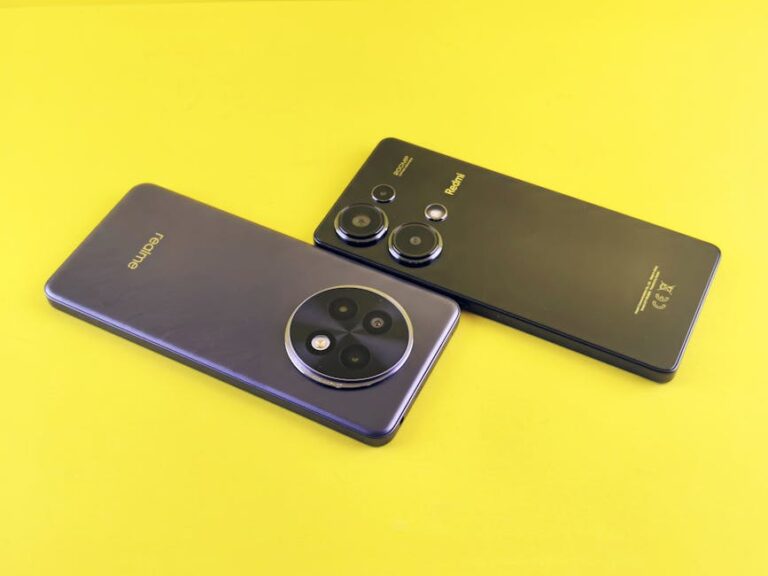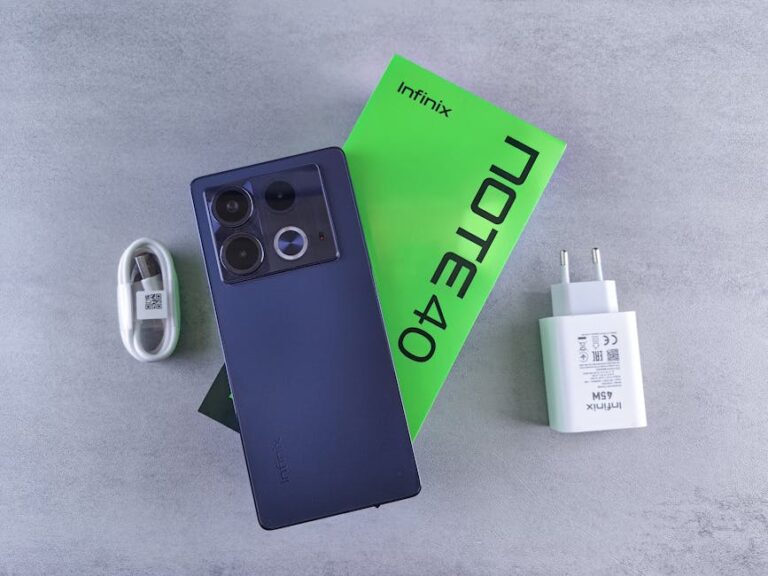

Remember a time without smartphones? Hard to imagine, right? From being a mere communication device, our pocket companions have evolved into indispensable personal assistants, entertainment hubs, financial tools, and even health monitors. As we step into 2025, the smartphone landscape in India is set to witness another wave of transformative changes, pushing the boundaries of what these devices can do. For the discerning Indian consumer, understanding these shifts isn’t just about keeping up with the latest tech; it’s about choosing the right gateway to an increasingly digital world.
The Ever-Evolving Pocket Powerhouse
Recommended Smartphones Picks
Redmi Note 15 Pro 5G
- Next-gen 108MP AI camera for stunning computational photography.
- Long-lasting 6000mAh battery with 45W fast charging.
- Seamless 5G connectivity for lag-free gaming and streaming.
Price: ₹18,999
Realme 13 Pro 5G
- 50MP OIS camera with advanced AI scene recognition.
- Efficient 5500mAh battery for extended daily use.
- Hyper-speed 5G performance for a truly connected experience.
Price: ₹19,499
Vivo T4 5G
- AI-powered portrait camera delivering professional-grade photos.
- Optimized 5000mAh battery with smart power management.
- Reliable 5G with excellent network optimization for India.
Price: ₹17,999
In 2025, the smartphone isn’t just a phone anymore; it’s the central nervous system of our digital lives. We’ve moved past the initial excitement of touchscreens and app stores. The focus now is on seamless integration, intuitive intelligence, and sustainable performance. India, with its massive and diverse market, plays a pivotal role in shaping global smartphone trends, often demanding a unique blend of value, features, and durability.
AI Takes Center Stage: Beyond Smart, Towards Intuitive

Artificial Intelligence (AI) isn’t just a buzzword in 2025; it’s deeply embedded in the very fabric of our smartphones. Expect on-device AI to go beyond simple voice assistants. We’re talking about AI processors intelligently managing battery life, optimizing network performance, and even predicting your daily needs based on usage patterns. Imagine your phone proactively suggesting the best route to work, adjusting screen brightness based on your environment and eye strain, or curating your news feed with uncanny accuracy. A recent projection by Gadgets360 suggests that AI-powered features will be the primary differentiator for mid-range and premium smartphones by late 2025, moving beyond mere gimmicks to genuinely enhancing user experience. This means more personalized interactions and a device that truly understands *you*.
Camera Wars Continue: Computational Photography Reigns Supreme

The quest for the perfect smartphone camera remains as fervent as ever, especially in a photo-loving nation like India. In 2025, the megapixel race has largely subsided, giving way to an era where computational photography reigns supreme. Advanced algorithms, powered by dedicated AI chips, will deliver breathtaking low-light performance, incredibly stable video, and ‘pro-level’ portrait modes that can rival dedicated cameras. Features like real-time object tracking, advanced generative AI for editing, and even personalized filters based on your aesthetic preferences will be commonplace. Brands like Samsung, Apple, and OnePlus will continue to push the envelope, but even budget-friendly options from Xiaomi and Realme will offer surprisingly capable camera systems, ensuring your Reels and Instagram stories always look professional.
5G Maturation and Connectivity: The Digital India Backbone
By 2025, 5G will be a mature and widespread reality across urban and increasingly semi-urban India. This isn’t just about faster downloads; it’s about unlocking new possibilities. Cloud gaming will be buttery smooth, enabling console-quality experiences on your phone without hefty downloads. Augmented Reality (AR) applications, from virtual shopping to interactive learning, will become more seamless and practical. The low latency of 5G will also boost IoT (Internet of Things) integration, making your smartphone the central controller for an ecosystem of smart home devices. Affordable 5G smartphones will be the norm, ensuring that the benefits of this next-gen connectivity reach a wider demographic, further solidifying India’s digital transformation.
Form Factors: Foldables Emerge, But Price Remains King
While traditional slab phones will continue to dominate the market due to their affordability and proven design, 2025 will see foldables finally shedding some of their ‘niche’ status. Brands like Samsung, OnePlus, and Google will offer more refined, durable, and perhaps slightly more accessible foldable options. The appeal of a pocketable tablet or a compact phone that unfolds into a larger screen for media consumption and productivity is undeniable. However, for the majority of Indian consumers, the price-to-performance ratio of conventional smartphones will still be the deciding factor. The innovation in foldables will undoubtedly influence overall display technology, leading to more immersive and robust screens even on standard devices.
The Green Shift: Sustainability and Repairability Gain Ground
As environmental awareness grows globally, India is also seeing a rising demand for sustainable tech. In 2025, expect smartphone brands to increasingly highlight their eco-friendly initiatives. This includes using recycled materials in manufacturing, offering longer software update cycles to extend device longevity, and designing phones that are easier to repair. Consumers are becoming more conscious of their digital footprint, and brands that align with these values will gain significant traction. Echoing sentiments from an Android Authority report, consumers are increasingly prioritizing brands that demonstrate a clear commitment to reducing their environmental footprint, from packaging to end-of-life recycling programs. This “green shift” will be a key differentiator in a crowded market.
The Indian Market Dynamic: Value, Innovation, and Local Flavor
The Indian smartphone market in 2025 will remain a vibrant battleground. The mid-range segment, priced between Rs. 15,000 to Rs. 30,000, will continue to be the most competitive, with brands like Xiaomi, Realme, Vivo, and Oppo offering incredible value with features that once belonged exclusively to flagships. Premium players like Samsung and Apple will solidify their positions with cutting-edge innovations and robust ecosystems. The “Make in India” initiative will further mature, with more brands manufacturing locally, potentially leading to faster availability and more tailored features for the Indian audience. Expect phones with larger batteries, faster charging, and robust software optimizations to tackle India’s unique usage patterns and network conditions.
Final Thoughts
As we navigate 2025, the smartphone is more than just a gadget; it’s an extension of ourselves. From AI that anticipates our needs to cameras that capture our world with unprecedented detail, and from super-fast 5G connectivity to a growing emphasis on sustainability, the future of smartphones in India is exciting and dynamic. The choices will be more varied, more intelligent, and more aligned with our individual preferences. So, whether you’re a power user, a casual browser, or someone looking for the best bang for your buck, 2025 promises a smartphone experience that’s smarter, more personal, and deeply integrated into the fabric of Digital India.
Looking for more? Explore our budget laptops section.
About the Author